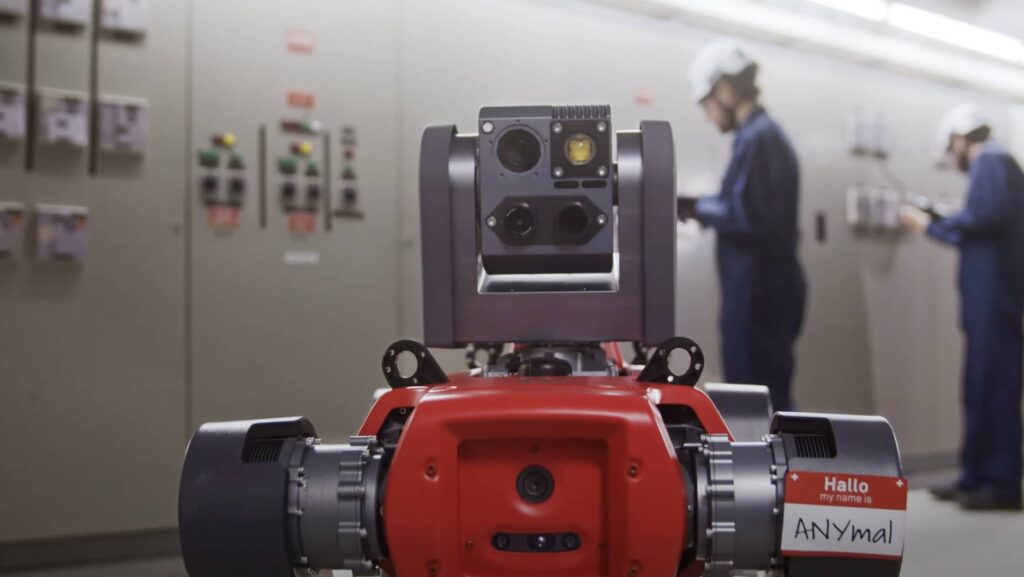
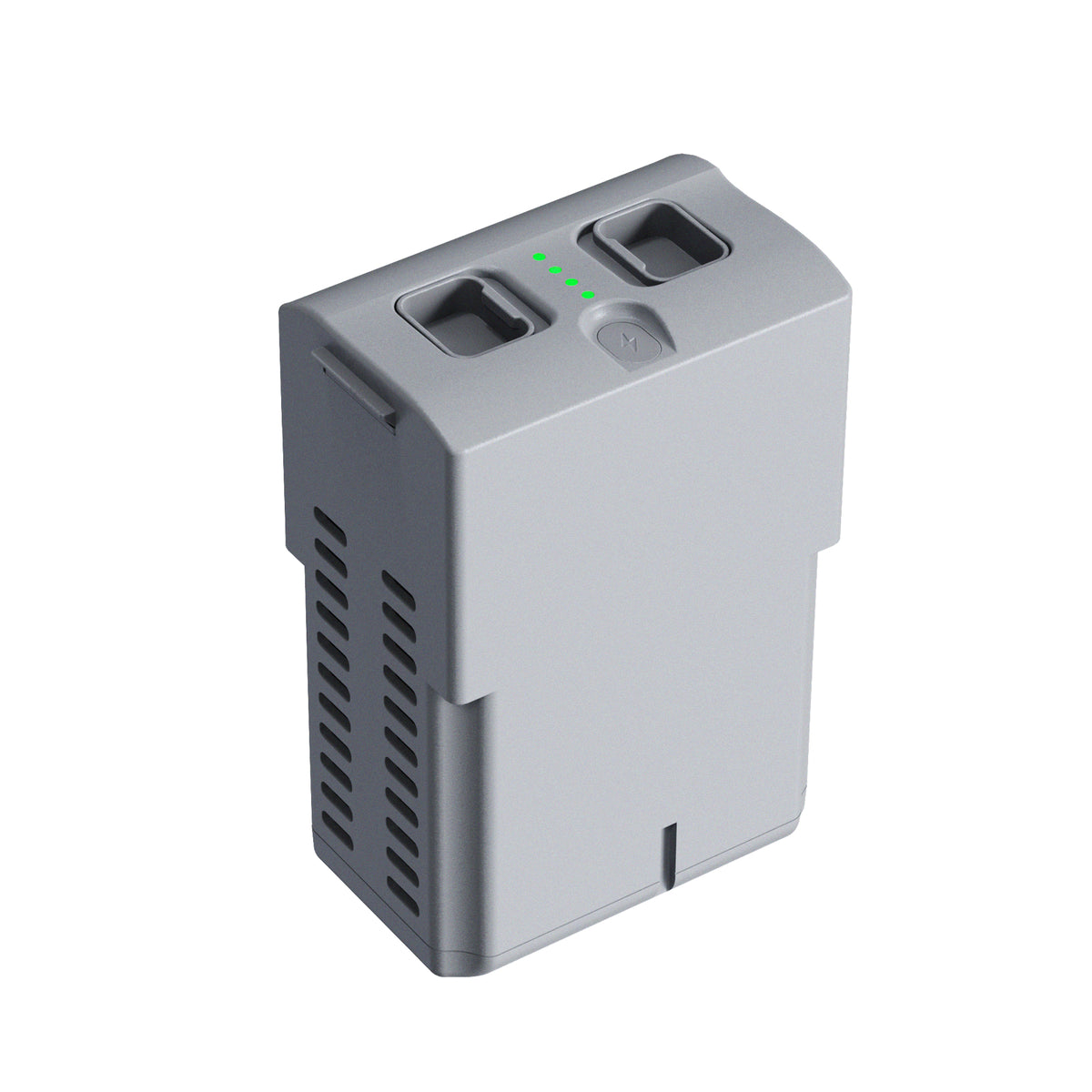
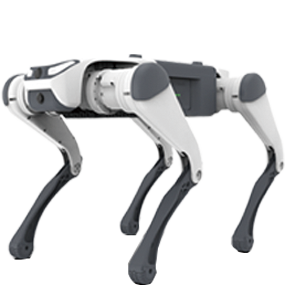
The best mobility architecture depends on the route and task. A wheeled base, a quadruped and a wheel-legged machine solve different access problems, and each must be evaluated with the intended payload.
Practical guidance from Desert Horizon. Product examples illustrate a category; capabilities depend on the exact supplied configuration.
Draw the difficult sections
Mark stairs, floor transitions, slopes, narrow turns and the places where an operator may need to recover the robot. Most routes contain a small number of decisive constraints. A mobility trial should focus on them using the intended load. A robot that moves well on an empty test route may behave differently once sensing equipment is added.
Consider the work at the destination
Reaching an asset is only useful if the robot can perform the observation or handling task there. Check viewpoint, stability, clearance and the time required to settle or position. The final approach to a measurement point can be more important than the speed between points. Include it in the route demonstration.
Plan interventions
Ask how the machine is stopped, moved or recovered after an interrupted mission. Define where assistance is acceptable and where it would undermine the purpose of the project. The goal is not to prove that one body shape is universally superior; it is to select a system that can complete your route with a manageable support routine.
Three points to take into your project
- Test the route with the intended payload.
- Assess task access at each destination.
- Agree the recovery procedure.