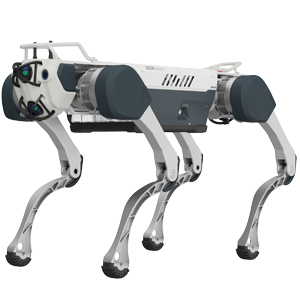
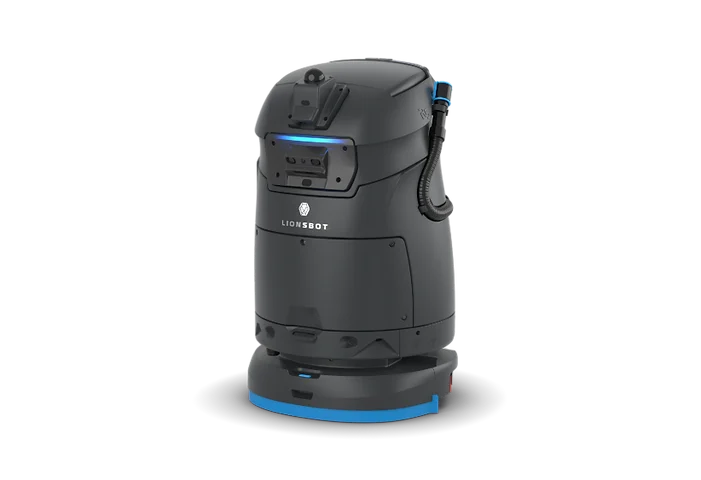
Acceptance testing should demonstrate the agreed task using the delivered configuration. It is the moment to compare the system with the written scope, not to invent success criteria after watching it operate.
Practical guidance from Desert Horizon. Product examples illustrate a category; capabilities depend on the exact supplied configuration.
Use representative tasks
Prepare a test list that covers ordinary work and the difficult conditions included in the agreement. For a delivery robot, that could include loading, route travel and handover. Run enough repetitions to observe normal variation. A single successful trip establishes less than a repeatable sequence with recorded interventions.
Test interruption and recovery
Demonstrate the approved stopping procedure, a blocked route and the return to service. Ask trained site staff to perform the steps. Recovery matters because real operations rarely remain perfectly predictable. Confirm which faults staff can address and which require supplier support; both should be reflected in the training materials.
Record the delivered state
Keep the equipment identifiers, configuration, software version and results with the acceptance record. List remaining actions and who owns them. A clear record helps future staff understand what was validated and avoids treating a later configuration change as if it had already passed the same test.
Three points to take into your project
- Test complete tasks repeatedly.
- Include approved recovery scenarios.
- Record configuration and open actions.