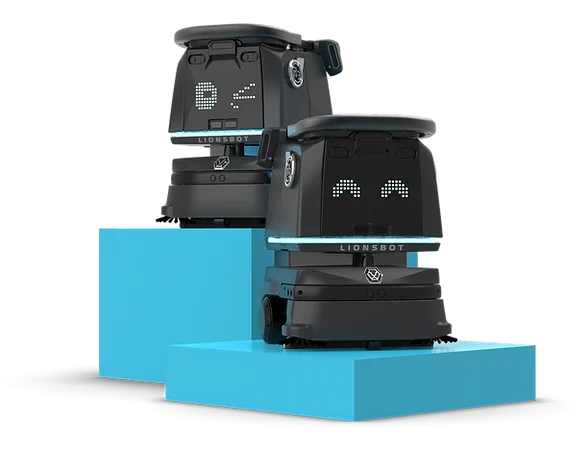
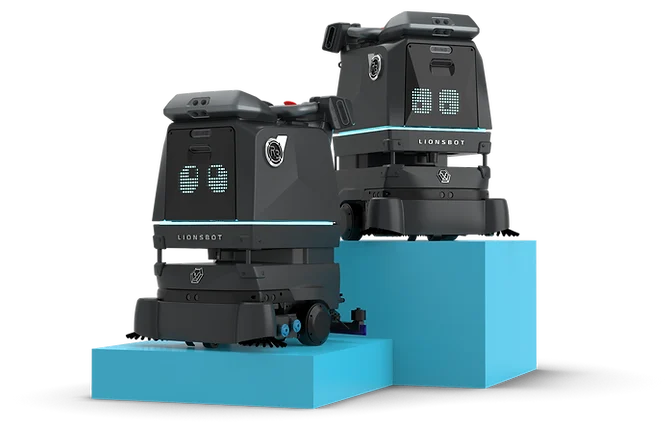
A hotel vacuuming example published by LionsBot shows how a narrow routine can support a larger housekeeping service. The lesson is about assigning repeatable corridor work, not automating every housekeeping task.
Source context: This is an editorial summary of a manufacturer-published account, followed by Desert Horizon’s practical interpretation. Reported results are specific to the described project. This is not a Desert Horizon customer case study.
What the source reports
LionsBot describes an R3 Vac deployment at an unnamed 615-room hotel in Singapore. Corridor and public-area vacuuming were scheduled, while the housekeeping team retained guest rooms and detail work. This is a supplier-published account, not an independently audited performance study.
Apply the workflow idea
A new hotel should classify carpet types, thresholds, furniture layouts and the times when corridors are busy. Define where the robot can operate and who checks an incomplete route. Connect the vacuuming schedule to housekeeping activity rather than letting two processes compete for the same corridor. Staff feedback is essential because the route changes with normal hotel work.
Validate guest experience
A successful local trial should inspect cleanliness and record disruptions as well as route completion. Include carts, open room doors and normal guest movement. Consider how staff explain the equipment when asked. The buying decision should reflect the actual service environment, not a quiet corridor prepared only for a demonstration.
Three points to take into your project
- Coordinate with housekeeping schedules.
- Test normal corridor obstructions.
- Review guest experience and cleaning results.