PUDU’s convenience-retail account describes floor cleaning as part of store operations. Its main lesson is the need to fit an automatic routine into traffic, spills and food-service activity.
Source context: This is an editorial summary of a manufacturer-published account, followed by Desert Horizon’s practical interpretation. Reported results are specific to the described project. This is not a Desert Horizon customer case study.
What the source reports
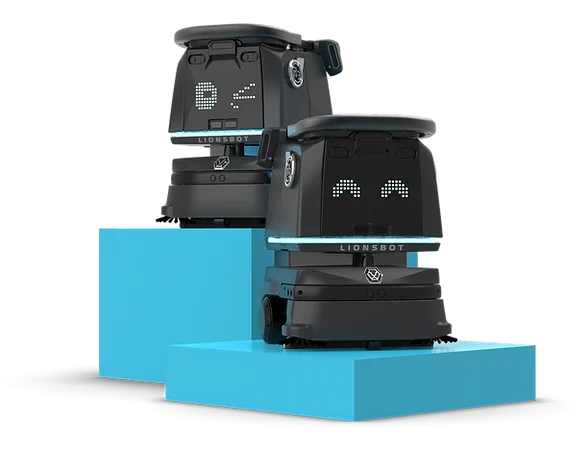
PUDU describes a leading unnamed US convenience retailer deploying CC1 cleaning robots with docking stations. The account reports improved consistency and reduced manual cleaning effort. Its figures and outcomes are supplier-reported. The CC1 in this story is a different product from the LionsBot model linked as a catalogue comparison.
Keep the operating boundary explicit
In a new store, define the robot’s scheduled area and the incidents that require staff intervention. An unexpected spill, large debris or a temporarily blocked aisle may need a separate response. Automatic cleaning should fit the retailer’s existing procedures rather than create uncertainty about who acts when a customer reports a problem.
Compare stores fairly
A pilot should record route conditions, floor types and traffic so that results can be interpreted before expansion. Stores that look similar can have different entrances, queue patterns and service layouts. Standardise the acceptance method and training first, then decide which elements of the route can be repeated. The case supports careful evaluation, not automatic fleet-wide suitability.
Three points to take into your project
- Define spill and exception handling.
- Include the docking workflow.
- Standardise the trial before expansion.