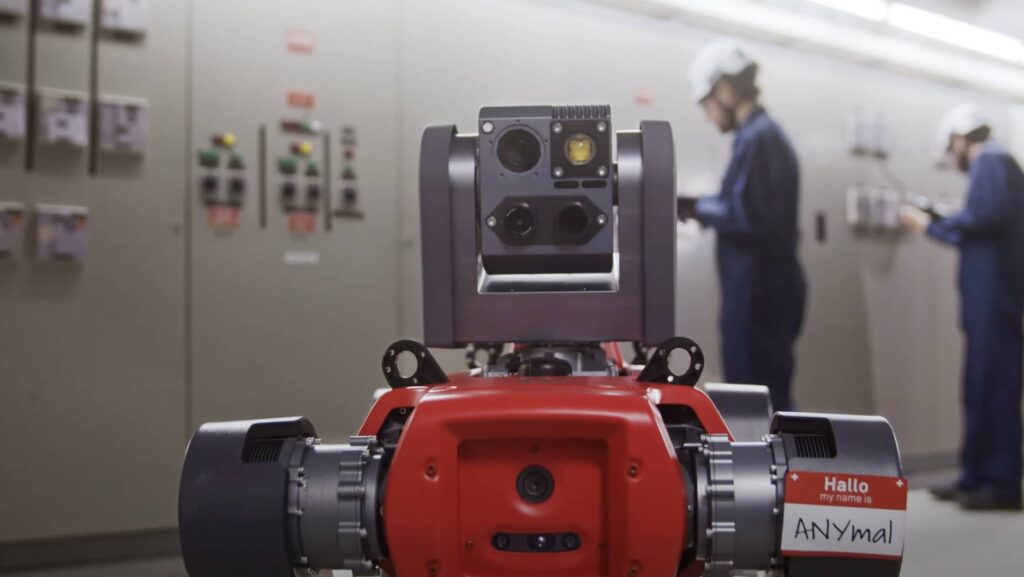
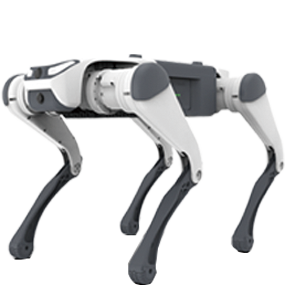
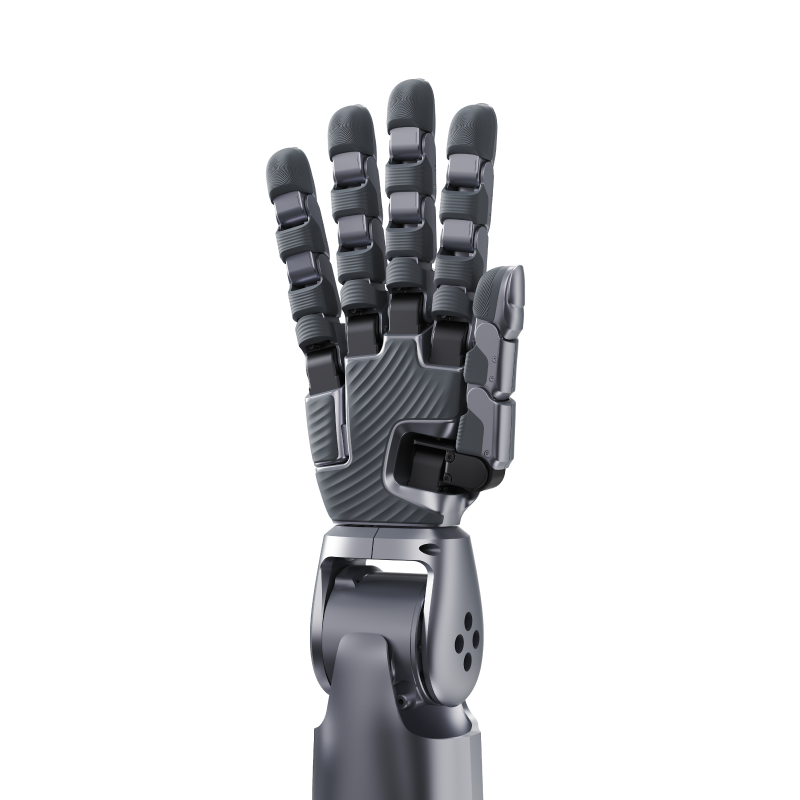
A runtime figure is useful only when its test conditions resemble the intended work. Payload, motion, sensing and environmental conditions influence how a robot’s energy budget fits a mission.
Practical guidance from Desert Horizon. Product examples illustrate a category; capabilities depend on the exact supplied configuration.
Describe the operating cycle
Separate movement, waiting, observation and handling. Include the sensors and computing that remain active while the robot is stationary. Ask which conditions apply to a quoted runtime. A long idle demonstration should not be used as evidence that the machine can complete the same duration of demanding movement with a payload.
Plan the turnaround
A mission is not finished operationally until the equipment is ready for the next one. Include charging, battery changes where supported, cooling or inspection requirements and travel to the charging point. A spare battery may help scheduling, but only when the model supports the procedure and the correct battery revision is supplied.
Keep a reserve and a recovery plan
Define how the robot behaves when energy is insufficient to finish and how a person recovers it. Test the route with the intended configuration and record the result. Use the manufacturer’s guidance to plan reserves; do not design a service around repeatedly reaching the absolute operating limit.
Three points to take into your project
- Compare runtime under matching conditions.
- Include turnaround in the schedule.
- Test the low-energy response.