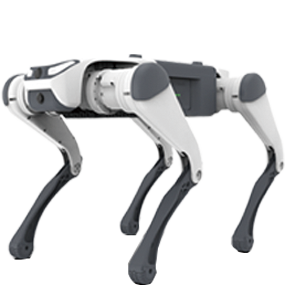
A quadruped can be an engaging way to explore robotics at home. It is important to separate a supervised technology project from the dependable household assistance people expect from a task-specific appliance.
Practical guidance from Desert Horizon. Product examples illustrate a category; capabilities depend on the exact supplied configuration.
Decide what success means
For one owner, success is learning to operate a legged machine. For another, it is a student project involving perception or control. Both are valid, but they require different purchasing questions. A promotional movement sequence does not establish that a robot can fetch arbitrary objects, navigate every room or carry out chores without integration.
Create a supervised test area
Choose an uncluttered area with a suitable floor and enough space around the machine. Start with the manufacturer’s supported operating procedures and keep children and pets outside the test space. Introduce one motion or route at a time. Supervision and a known stopping procedure make experimentation more manageable than immediately attempting a complete household route.
Confirm development access before buying
A robot sold for operation and demonstrations may differ from a development configuration. If programming is the goal, request written confirmation of the SDK, interfaces, computing hardware and support included. Treat extra sensors and custom behaviours as a project scope. This avoids buying a capable machine that does not provide the access your learning plan needs.
Three points to take into your project
- Choose operation or development as the first goal.
- Confirm the supported software package.
- Plan a controlled area and trained supervision.