A site survey translates a building into operating requirements. The useful survey covers normal work, temporary obstructions and the supporting resources a robot needs between missions.
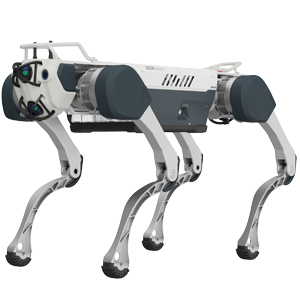
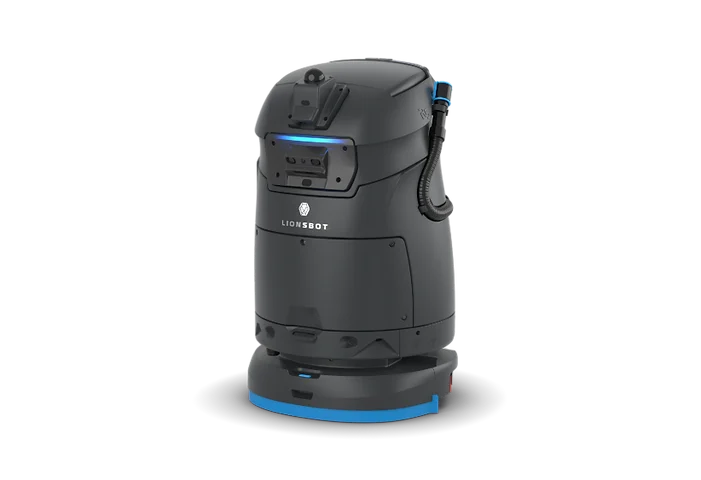
Practical guidance from Desert Horizon. Product examples illustrate a category; capabilities depend on the exact supplied configuration.
Measure the route
Record widths, turning areas, thresholds, gradients, doors and the intended loading or observation points. Include the actual load or payload envelope. Photographs help explain unusual geometry, while measurements prevent assumptions. Mark areas where the robot must wait and where waiting would block another process.
Observe changes over time
A route that is clear during a visit may fill with carts, queues or stored materials later. Review the busiest relevant period with the staff who use it. Identify who can authorise layout changes and how new obstacles will be reported. The survey should describe an operating environment, not only a floor plan.
Survey the support system
Check charging, maintenance access, communications and recovery routes. Confirm how the team responds if a door is closed or the machine stops away from its base. Record responsibilities for building interfaces. These less visible details often explain why one pilot runs smoothly while another needs repeated intervention.
Three points to take into your project
- Measure with the full load envelope.
- Review the busy period.
- Include charging and recovery access.