LionsBot publishes an airport deployment account that illustrates a practical division between automatic floor coverage and the work people still do. The airport is described by its profile rather than named.
Source context: This is an editorial summary of a manufacturer-published account, followed by Desert Horizon’s practical interpretation. Reported results are specific to the described project. This is not a Desert Horizon customer case study.
What the source reports
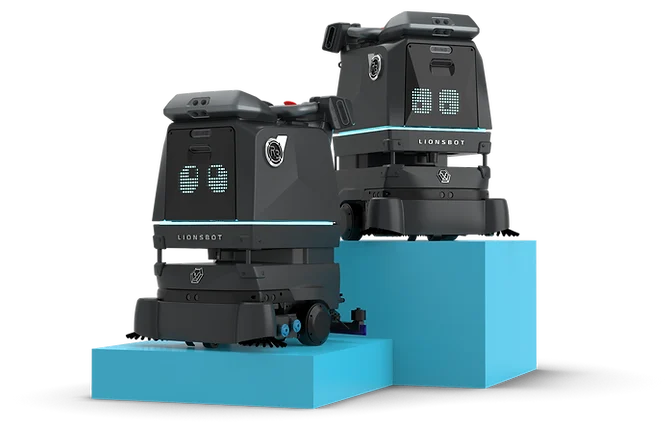
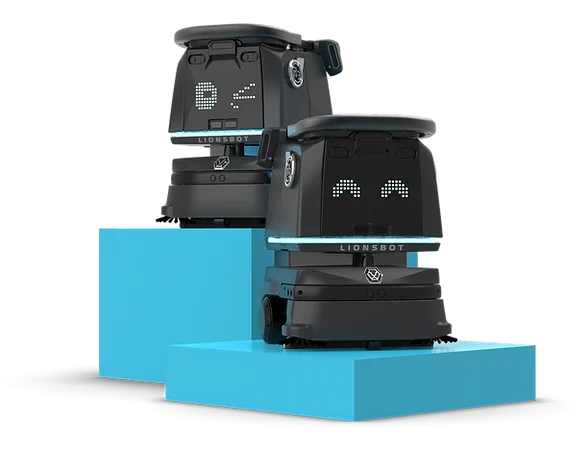
The manufacturer describes R5 scrubbers working on saved overnight routes across a Southeast Asian airport departure terminal. Staff attention shifted toward seating, gates and detail cleaning, while the system produced cleaning-coverage records. The customer is not publicly named in this account.
Why the task split matters
Large open floors are easier to describe as a repeatable route than the small spaces around seats and fixtures. A facility considering a similar project should map both. The robot’s assigned area and the remaining manual tasks belong in one service plan, with a clear handover between the two. Otherwise, good automatic coverage can coexist with visible missed detail.
What to measure locally
Record the floor condition after a run, the areas that need manual attention and the interruptions caused by changing passenger traffic. Compare overnight and occupied conditions where relevant. Coverage records are useful operational evidence, but should be interpreted alongside direct cleaning-quality checks rather than treated as proof that every surface was cleaned.
Three points to take into your project
- Define the open-floor route.
- Keep detail cleaning in the plan.
- Compare coverage with physical inspection.