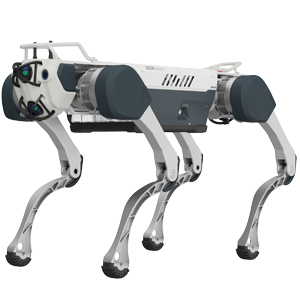
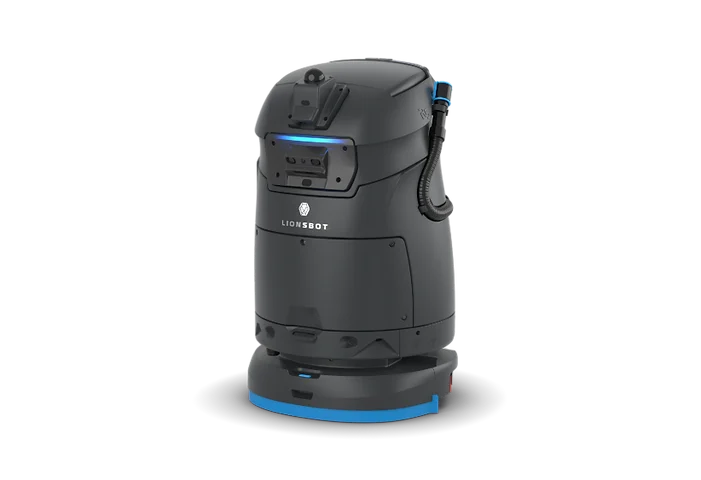
A laboratory can make a robotics budget work harder by matching equipment to a sequence of experiments. The first purchase should support a useful baseline and leave room for planned expansion.
Practical guidance from Desert Horizon. Product examples illustrate a category; capabilities depend on the exact supplied configuration.
Group the teaching objectives
Separate basic operation, perception, control, manipulation and autonomous navigation. Identify which objectives need physical hardware and which can begin in simulation. A shared platform may cover several courses, but confirm that its interfaces and operating constraints fit each one. Keep a clear distinction between a demonstration tool and an experimental development system.
Plan shared access
Decide how students reserve the equipment, who restores a known working configuration and how batteries and accessories are managed. Record damage and software changes. A research platform can become unavailable to a whole class if one experiment changes the shared setup without a recovery plan. Supervision and preparation time belong in the timetable.
Expand around proven needs
Begin with supported examples and a small number of measurable experiments. Add sensors, manipulators or computing when the next research question requires them. Ask the supplier to confirm the expansion interfaces and support boundaries. A staged plan is easier to maintain than buying every optional component before the team has a working baseline.
Three points to take into your project
- Map hardware to learning objectives.
- Maintain a shared baseline.
- Add options for defined experiments.