Production sites contain permanent machinery and changing work activity. A LionsBot deployment account illustrates why the route between equipment can matter more than the total floor area.
Source context: This is an editorial summary of a manufacturer-published account, followed by Desert Horizon’s practical interpretation. Reported results are specific to the described project. This is not a Desert Horizon customer case study.
What the source reports
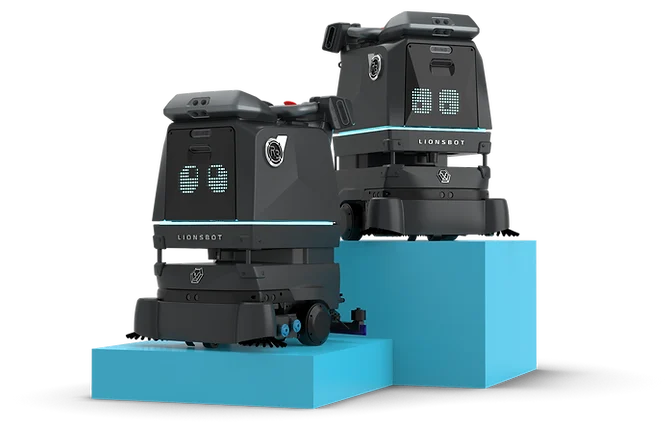
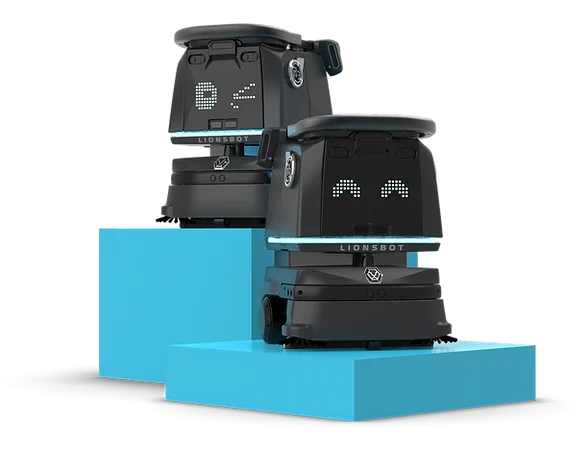
The manufacturer describes an R3 Scrub Pro working on production floors and circulation aisles at an unnamed multi-floor print facility. Scheduled scrubbing was combined with manual edges and detail work. The reported site profile should not be mistaken for a named customer endorsement.
Start with access and contamination
For another facility, identify the normal debris, narrowest passages and sensitive equipment. Agree how spills and loose material are handled before a scrubber enters the area. The maintenance team should assess the cleaning method alongside production staff. A route that is physically passable may still be unsuitable during a particular production step.
Measure around the production schedule
Test in realistic windows between activities, recording interruptions and cleanup work before and after the robot. Inspect floor results near equipment rather than only in open aisles. The transferable idea is to fit cleaning into production; it is not a guarantee that a compact machine can reach every narrow space or handle every type of industrial soil.
Three points to take into your project
- Assess debris and sensitive equipment.
- Agree production-compatible operating windows.
- Inspect tight areas separately.