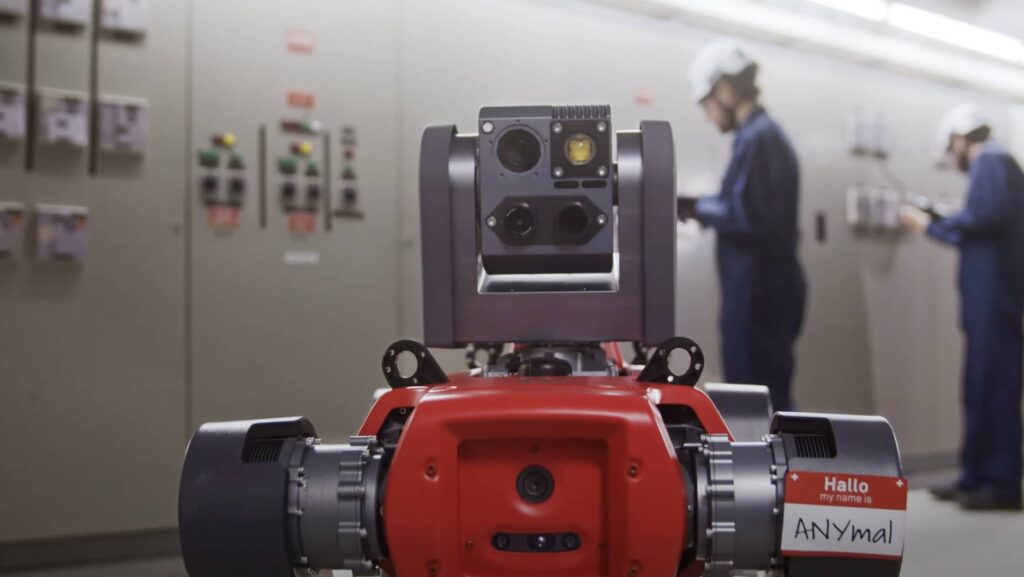
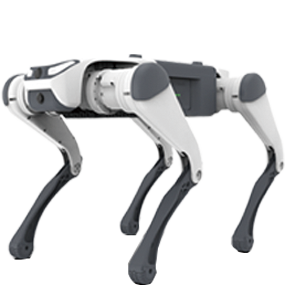
Robotics videos can show similar-looking behaviour produced in very different ways. Understanding who makes each decision helps buyers judge what work remains after the equipment arrives.
Practical guidance from Desert Horizon. Product examples illustrate a category; capabilities depend on the exact supplied configuration.
Ask who controls the action
In teleoperation a person directs the machine; in a scripted sequence it follows a prepared routine; autonomous behaviour involves system decisions within supported conditions. Real products may combine these modes. Ask which mode applies to the specific task, and what the operator must do when the normal sequence is interrupted.
Look for the boundaries
A system may navigate autonomously but require a person to perform manipulation, or may recognise only prepared objects. Request the list of supported conditions and known exceptions. That list is more useful for planning than a broad “AI-powered” label. It defines where the staff workflow and the integration project begin.
Make acceptance observable
Write the task as a sequence with clearly assigned decisions. During the demonstration, record operator inputs and changes to the environment. An honest teleoperated solution can be valuable when remote access is the objective. The issue is whether the delivered mode matches the buyer’s intended operation and staffing assumptions.
Three points to take into your project
- Identify control mode for each task.
- List supported conditions.
- Record operator inputs during acceptance.