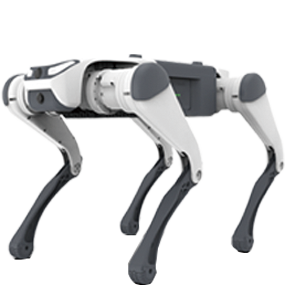
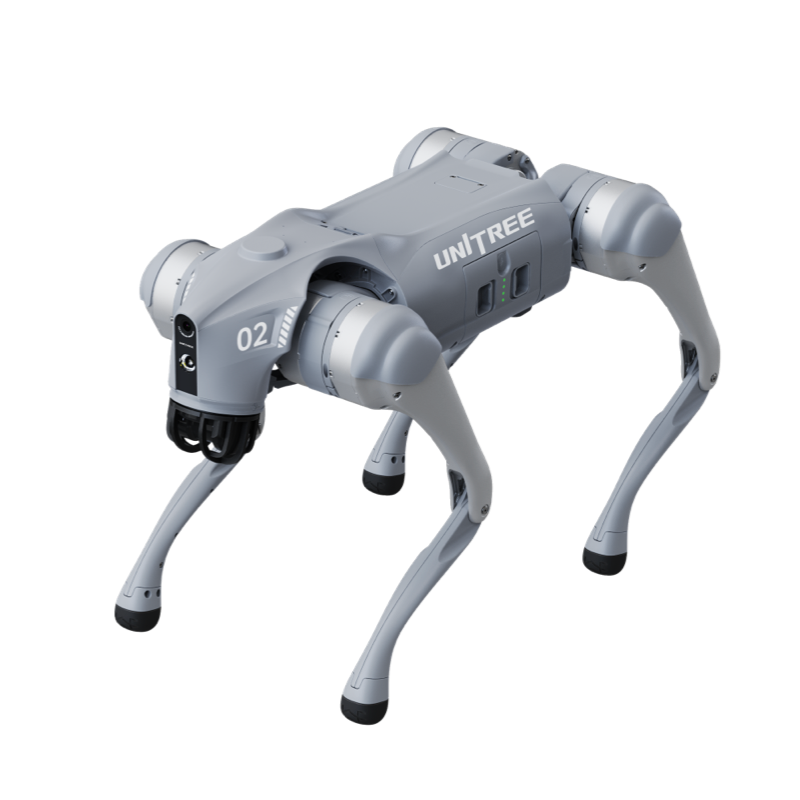
The strongest first home-robot purchase usually has a narrow purpose: clean one type of surface or take over one repeated physical routine. A realistic task is easier to evaluate than a promise of a fully automated household.
Practical guidance from Desert Horizon. Product examples illustrate a category; capabilities depend on the exact supplied configuration.
Write the chore as an outcome
Replace a broad ambition such as “save time” with a result you can observe: less loose debris on the pool floor before the weekend, for example. Record how the task is performed now, including preparation and cleanup. That tells you what the robot must actually improve. A device can perform well yet be a poor fit if its daily preparation is more work than the original chore.
Consider the people who share the space
A family home contains children, pets, visitors and objects that move. Decide when a robot can operate and where it should be kept. Explain the controls to everyone who may need to stop it. Avoid introducing a machine into a busy area until the household understands its operating boundaries and the owner has tested the intended routine.
Buy a complete ownership plan
Check consumables, storage, charging, support and what happens when the robot cannot finish. The ability to return to the manual method is useful during maintenance or a change of layout. A short checklist used consistently is more valuable than dozens of features nobody uses. Select the product around the household routine and confirm the exact configuration before ordering.
Three points to take into your project
- Name the recurring task.
- Assign an owner and storage place.
- Measure the whole routine, including cleanup.