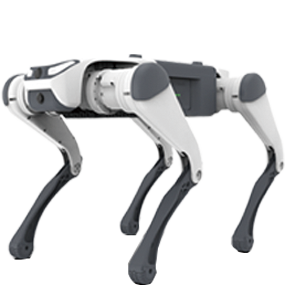
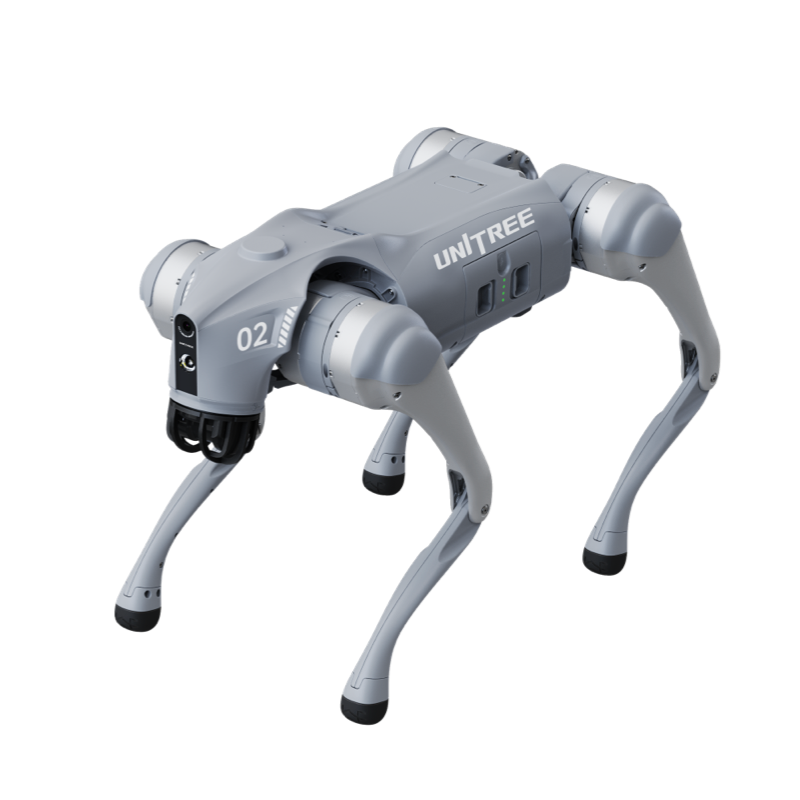
Convenient robot ownership begins with a place to charge and store the equipment. That space should be planned before delivery, particularly when a robot uses removable batteries or needs to be carried between operating areas.
Practical guidance from Desert Horizon. Product examples illustrate a category; capabilities depend on the exact supplied configuration.
Plan the physical route
Consider how the machine moves from storage to the working area and back. Steps, narrow doors and wet surfaces can make a convenient operating task awkward at the beginning and end. Check the approved lifting or carrying method and whether one person can perform it. Do the same for any battery that must be removed.
Match the electrical equipment
Use the specified charger and a compatible battery revision. Similar connectors and familiar brand names are not proof of compatibility. Confirm mains requirements, plug arrangement and the manufacturer’s environmental guidance. Keep the charging location within the conditions stated for the equipment, and avoid improvising adapters or power arrangements.
Include regular inspection
Build a quick check into the routine: visible damage, loose parts, dirty contacts and changes in battery behaviour should be addressed using the manufacturer’s service guidance. Keep records of the exact battery and charger part numbers. When replacements are needed, those identifiers are more reliable than a general description of the robot.
Three points to take into your project
- Confirm the exact charger and battery revision.
- Test carrying and storage access.
- Keep the equipment instructions accessible.