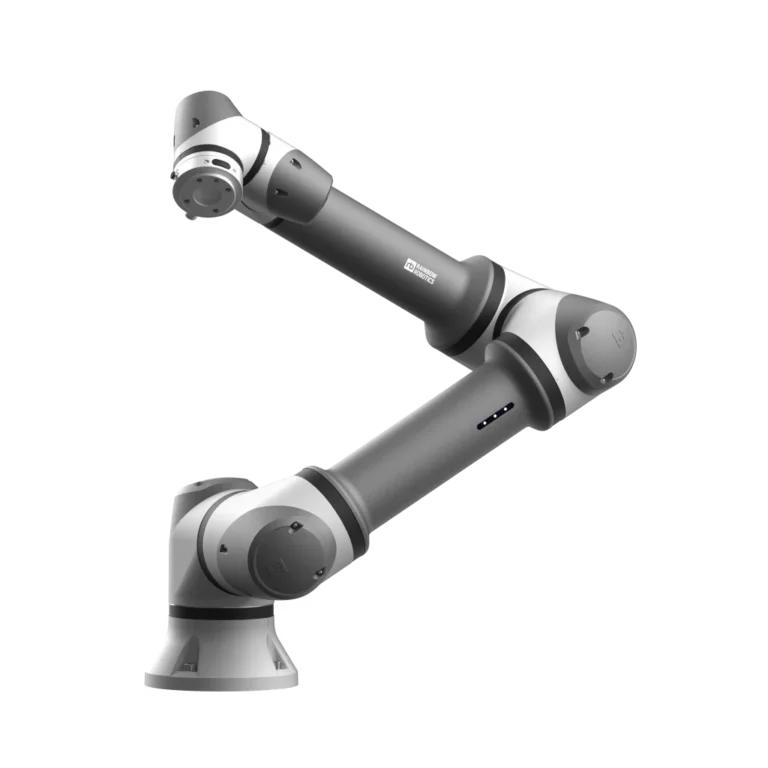
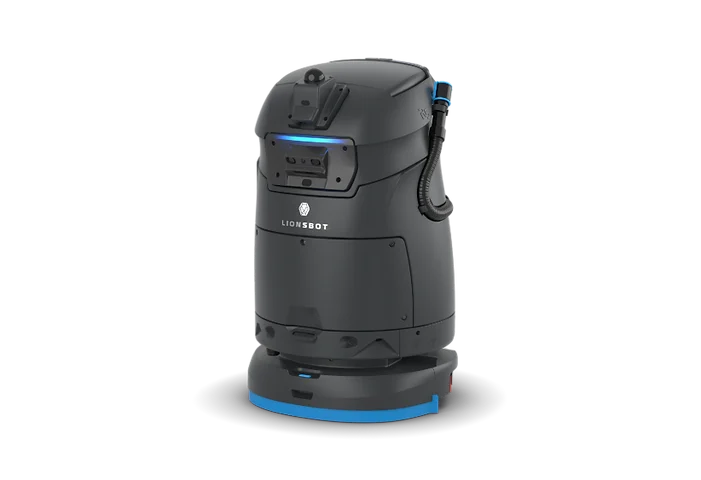
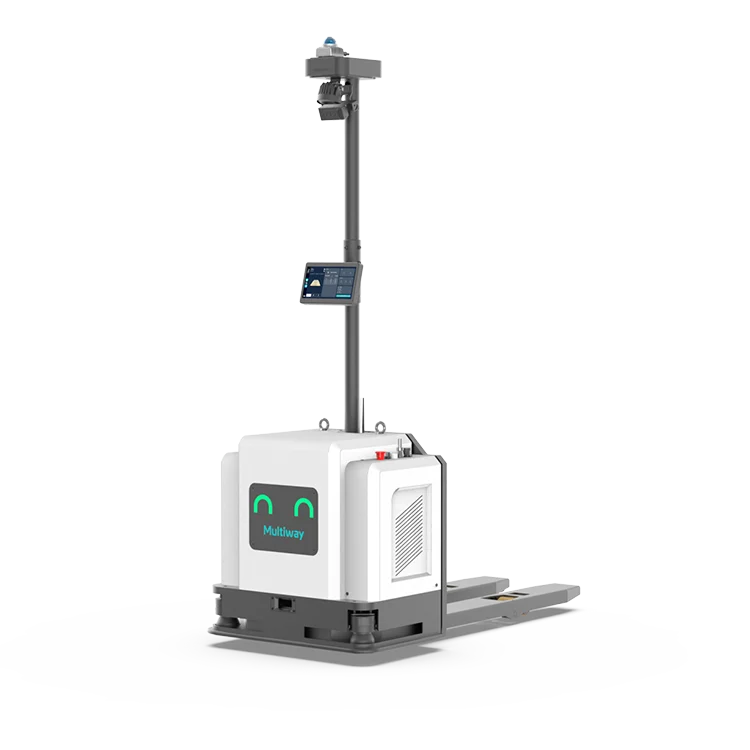
An inspection robot should be specified around the observations maintenance teams need. A mobile platform has little operational value if the collected information cannot be associated with an asset or used to make a decision.
Practical guidance from Desert Horizon. Product examples illustrate a category; capabilities depend on the exact supplied configuration.
Write a measurement plan
List each asset, the observation required, the acceptable viewpoint and the inspection frequency. Distinguish a visible gauge reading from a thermal image or an acoustic measurement. The sensor package, route and data workflow follow from this plan. Starting with an impressive mobility demonstration can leave essential inspection details undefined.
Validate data quality
Repeat observations under representative lighting, temperature and operating conditions. Check that records are linked to the correct asset and include useful timestamps. Decide how a person reviews potential anomalies. A repeatable route is valuable only when the observations remain interpretable and the organisation knows who responds to them.
Connect findings to maintenance
Define how a suspicious reading becomes a review task, work order or follow-up measurement. Keep the response process proportionate to the application. During the pilot, assess measurement usefulness, route completion and intervention time separately. This reveals whether the project needs better sensing, better access or a clearer maintenance workflow.
Three points to take into your project
- List inspection points and sensor needs.
- Repeat measurements for comparison.
- Assign an owner for each finding.