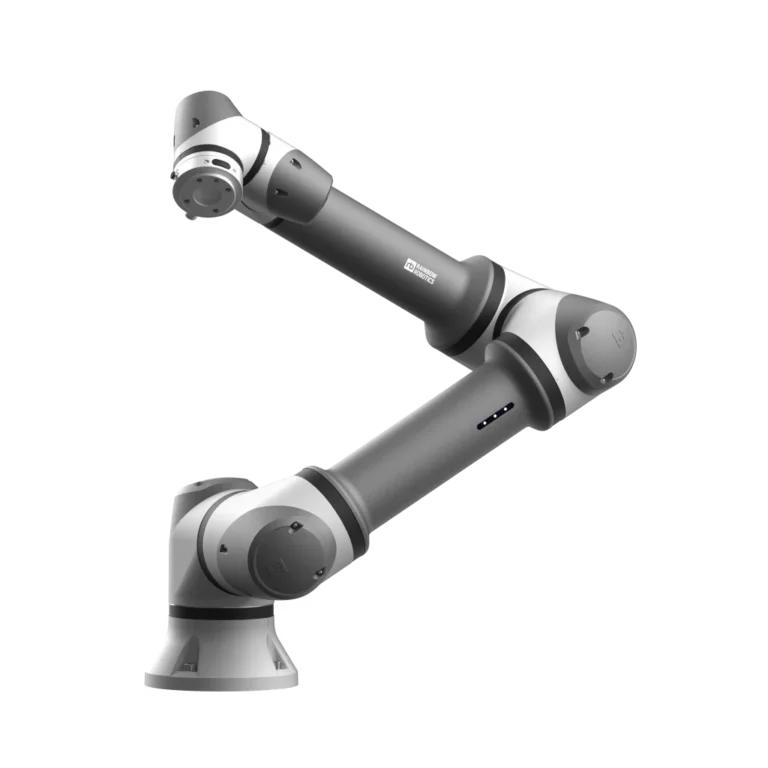
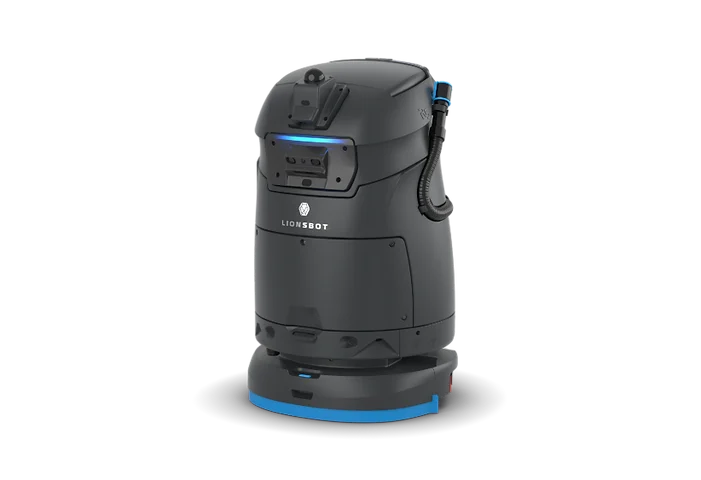
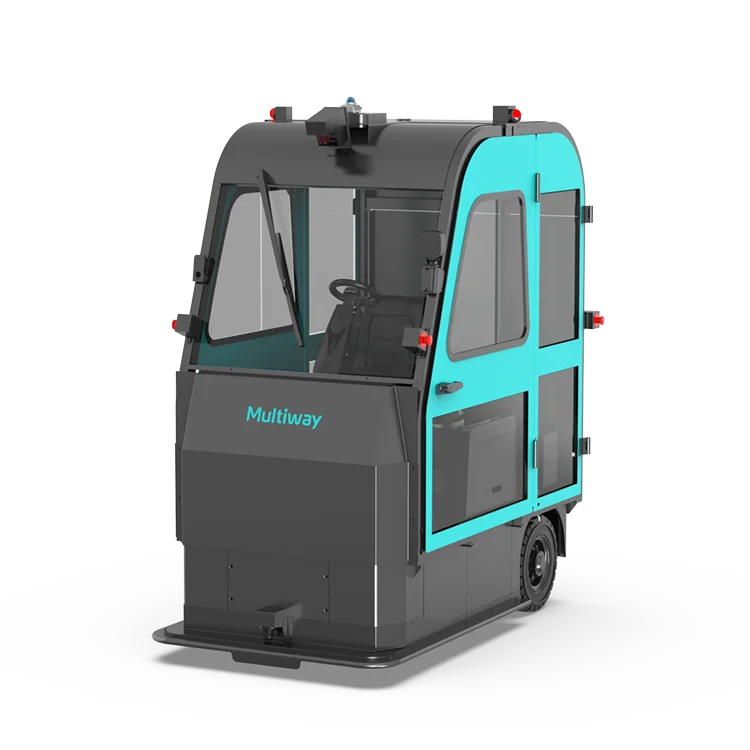
A warehouse project is easier to evaluate when it begins with one defined movement. Specify the load, pickup point, destination and handover before choosing between pallet trucks, stackers, reach trucks and other mobile platforms.
Practical guidance from Desert Horizon. Product examples illustrate a category; capabilities depend on the exact supplied configuration.
Describe the load accurately
Record pallet dimensions, entry direction, weight distribution and the way loads are presented. Include damaged or unusual pallets that occur in normal work. A vehicle specification is not enough if the pickup conditions vary beyond its agreed tolerance. Photos and measured dimensions help the integrator define a realistic handling envelope.
Observe the route over a shift
People, forklifts and temporary storage may change the available space. Review congestion, crossings and charging access. Pick a pilot route with a clear process owner and a manual fallback. The goal is to test an operational step, not to make the robot drive through a route that has been artificially cleared only for the demonstration.
Connect transport to demand
Agree how jobs are requested and acknowledged, whether by an operator station or an integrated system. Decide who resolves a blocked pickup and how duplicate requests are prevented. Measure complete deliveries rather than travel speed alone. Throughput emerges from loading, waiting, movement and unloading together.
Three points to take into your project
- Document the load envelope.
- Observe real route congestion.
- Define dispatch and handover signals.