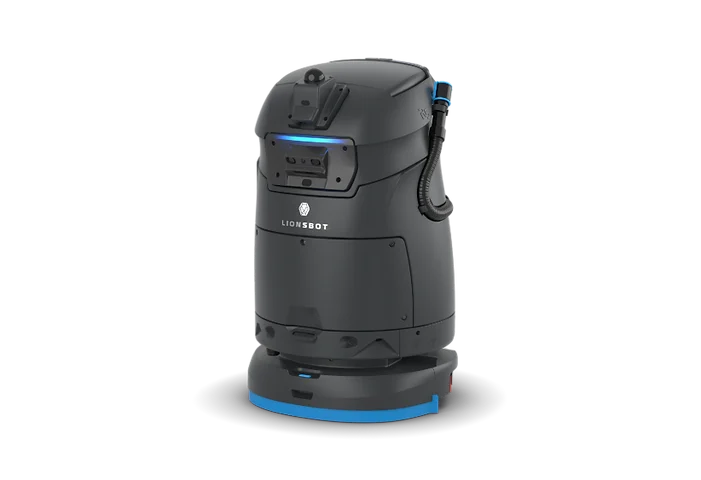
A cleaning robot should be selected against the actual floor, debris and working hours. Scrubbing, vacuuming and detailed cleaning are different jobs, and one machine should not be expected to cover them all.
Practical guidance from Desert Horizon. Product examples illustrate a category; capabilities depend on the exact supplied configuration.
Separate cleaning zones
Divide the site into hard floors, carpets, tight passages and areas requiring manual work. Record obstacles, thresholds, gradients and the narrowest operating width. This creates a usable cleaning map. It also prevents a large open area from dominating the equipment choice while small but essential passages remain inaccessible.
Include water and consumables
For a scrubber, define filling, emptying and any docking arrangement. For a vacuum, review dust collection and filter handling. Ask staff to demonstrate the maintenance routine during the trial. A robot can complete a route yet become operationally inconvenient if the service point is far away or consumables are difficult to obtain.
Judge the finished floor
Measure coverage and interventions, but also inspect soil removal, edges and the floor condition after cleaning. Include representative traffic and the normal debris mix. Assign remaining detail work to the team. A reliable cleaning plan combines automatic routes with a deliberate manual finish rather than assuming mapped coverage means every area is clean.
Three points to take into your project
- Map floor types separately.
- Validate the maintenance station.
- Inspect results as well as coverage.