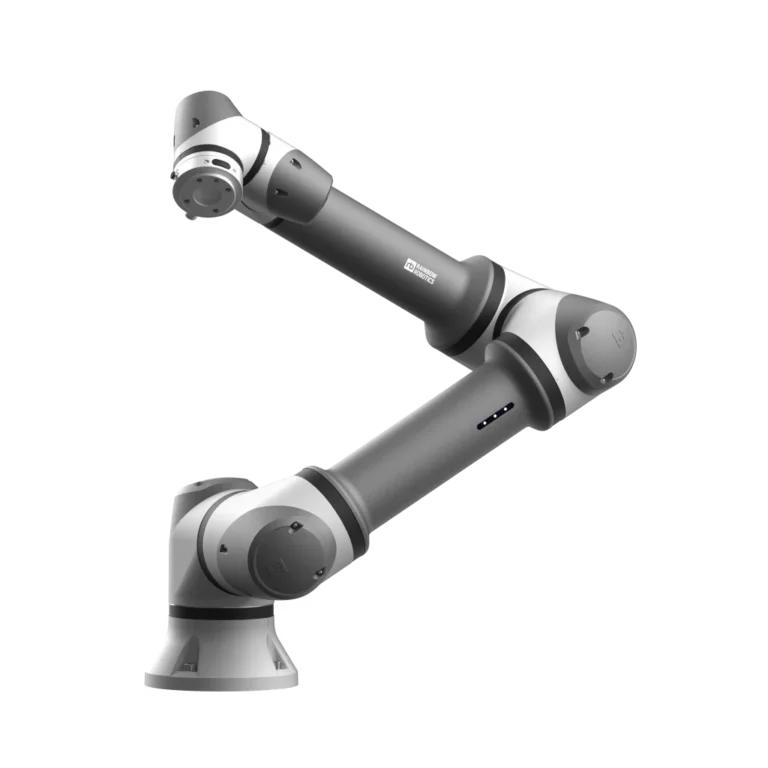
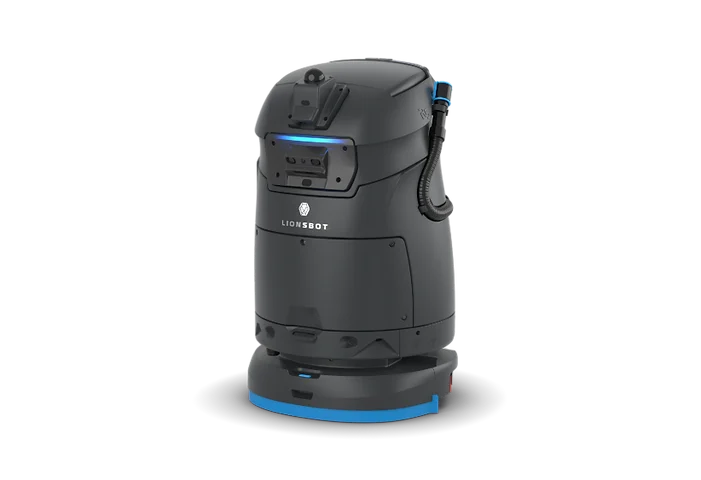
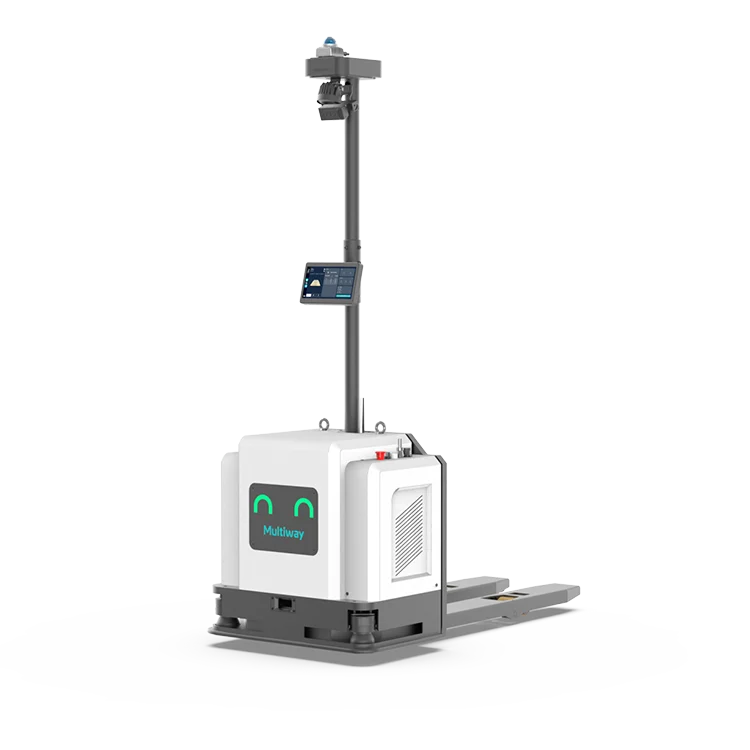
Warehouse robots are not interchangeable simply because they move goods. The load interface and the storage operation determine which family to assess: pulling carts, lifting pallets at floor level or reaching into racking.
Practical guidance from Desert Horizon. Product examples illustrate a category; capabilities depend on the exact supplied configuration.
Identify the handling interface
A tugger needs compatible carts and couplings; a pallet truck needs suitable fork entry and load presentation. A reach-truck project introduces rack geometry and lifting requirements. Write down the physical interface before comparing autonomy features. Otherwise, a navigation demonstration can distract from whether the machine can actually collect and place the load.
Treat lifting as a separate design question
Confirm the required height and capacity at the real load centre, including fixtures and packaging. Do not infer capacity from a model name or the maximum value in a brochure. The exact load and storage position must be checked against the offered configuration and the warehouse design.
Compare complete workflows
Estimate waiting, coupling or fork-entry time, travel, positioning and release. Include the people or equipment needed at each end. A lower-speed system with reliable handovers may be more useful than a fast vehicle that regularly needs assistance. Use trial results to select the handling architecture before expanding the fleet.
Three points to take into your project
- Specify cart, pallet or rack interfaces.
- Check capacity at the required height.
- Compare full-cycle performance.