A pool robot is most useful when it removes a recurring chore from a clear maintenance routine. For a villa owner, that means deciding when the pool is available, who retrieves the cleaner and how collected debris is handled.
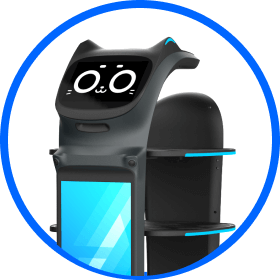
A restaurant delivery robot becomes useful when kitchen staff, servers and guests understand the handover. The driving route is only one part of a process that starts with loading the right order and ends with an empty tray returning.
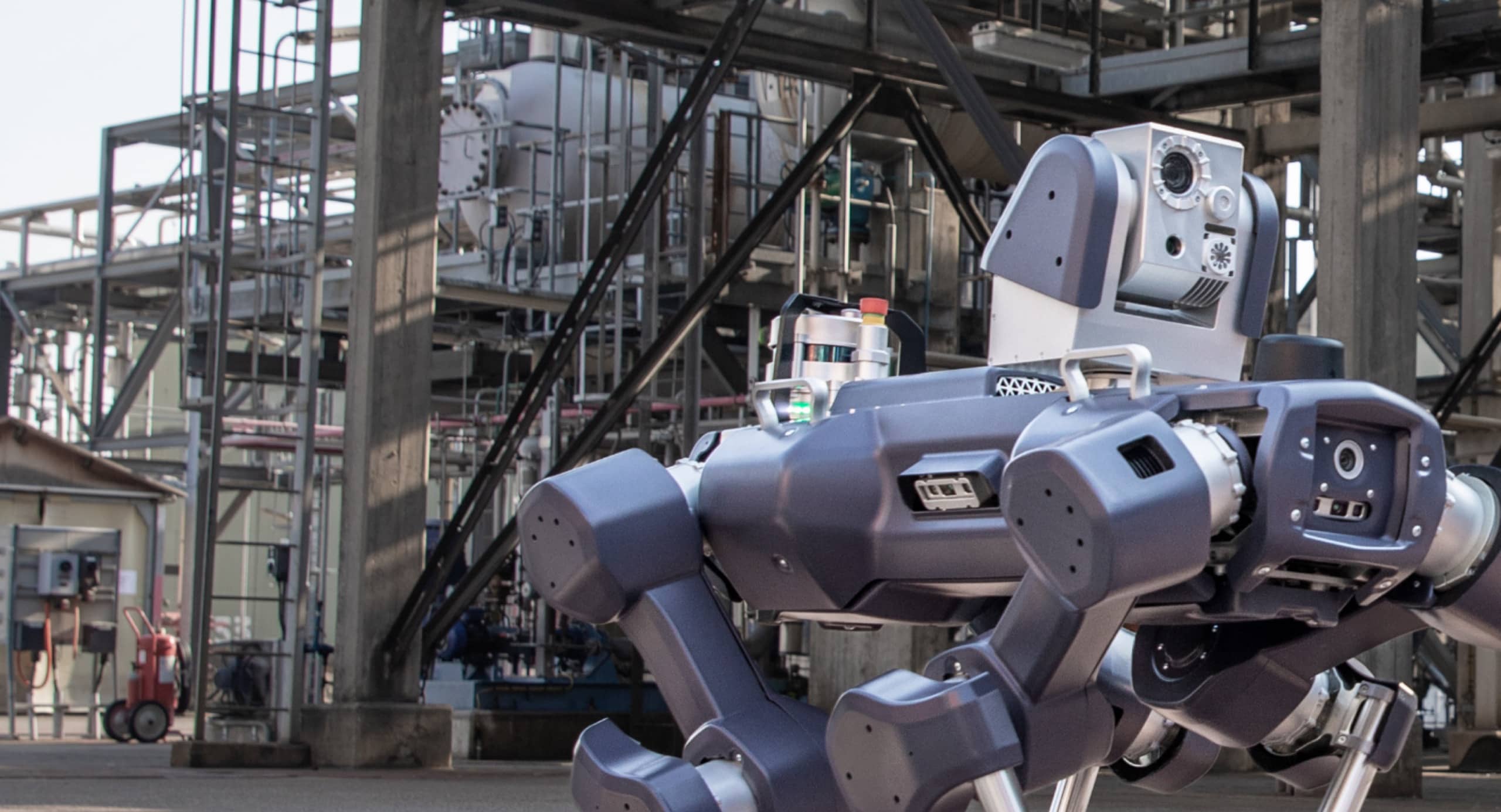
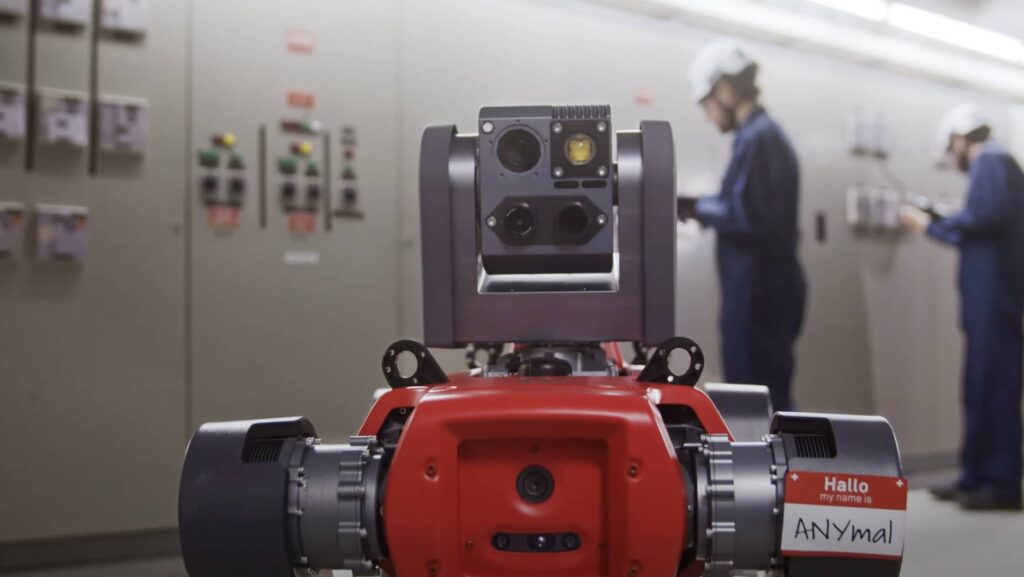
A manufacturer-published account of BASF’s Ludwigshafen evaluation shows how a robot trial can be organised around inspection data rather than mobility alone. It is a documented trial, not evidence that every chemical facility can use the same setup.
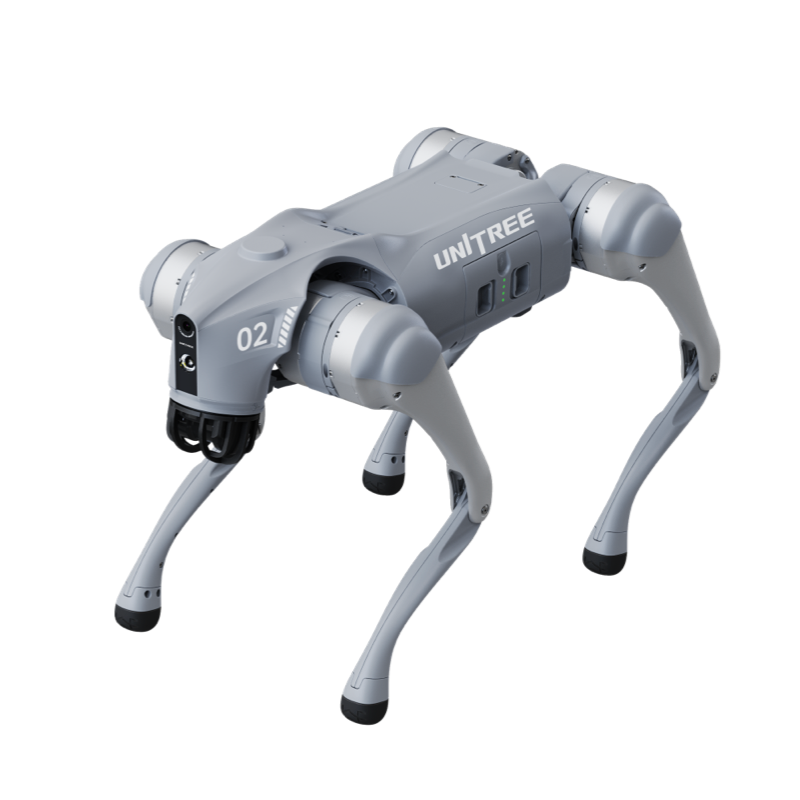
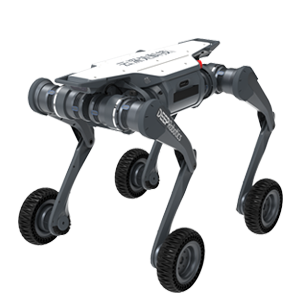
The best mobility architecture depends on the route and task. A wheeled base, a quadruped and a wheel-legged machine solve different access problems, and each must be evaluated with the intended payload.
A pilot should answer a purchasing question with observable evidence. Before bringing a robot to site, agree the task, boundaries and decision that will follow the trial.
The strongest first home-robot purchase usually has a narrow purpose: clean one type of surface or take over one repeated physical routine. A realistic task is easier to evaluate than a promise of a fully automated household.
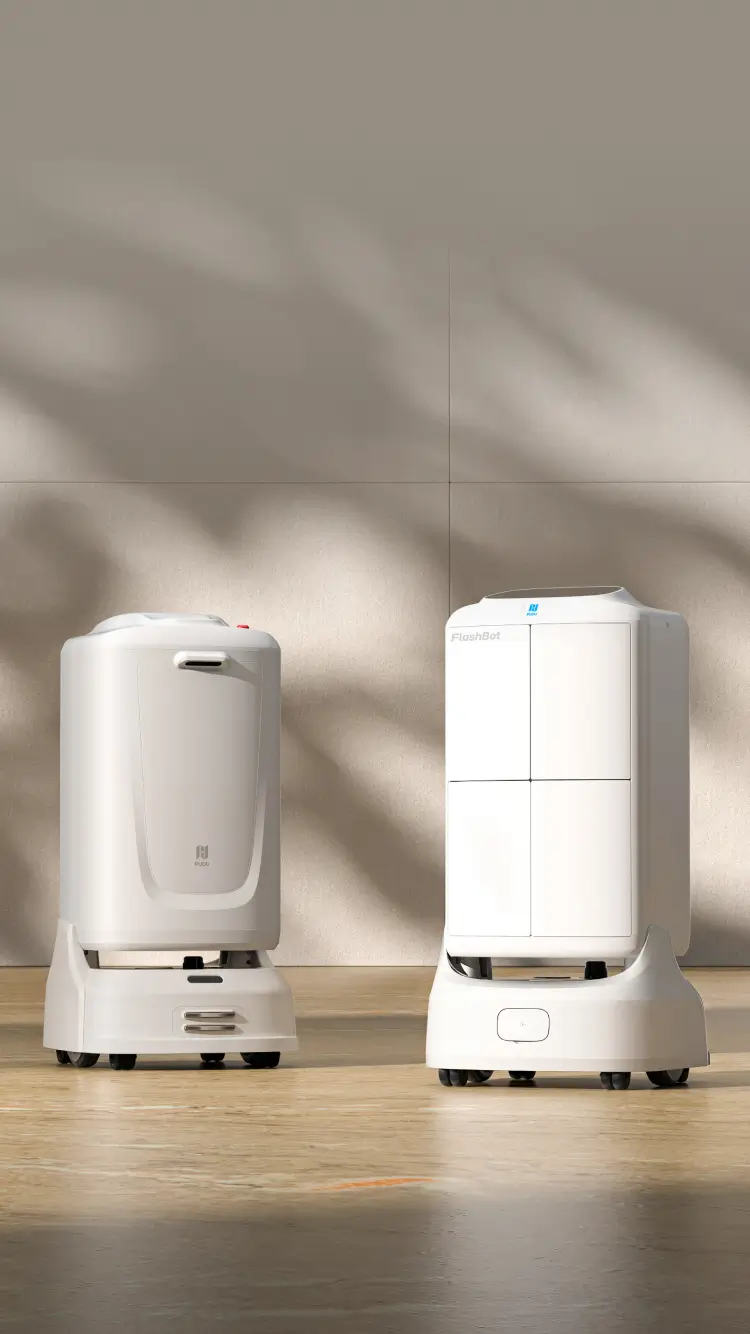
A hotel delivery robot must connect several systems and teams: reception, service dispatch, elevators, access control and the guest collecting the item. The purchasing decision should begin with this complete journey.
RTE’s work with ANYbotics provides a useful example of testing inspection robotics in a representative environment before broader implementation. The distinction between an evaluation and a fleet-wide rollout matters when reading success stories.
Wheel-legged platforms combine rolling movement with articulated leg mechanisms. The interesting question for a pilot is when that combination helps the assigned route, and which transitions require special validation.
Two quotations for the same robot family may include different hardware, software access and services. A useful comparison starts with a shared equipment and delivery scope.
A pool can look different after a windy day, a garden trim or a busy weekend. Choosing cleaning equipment by the debris it must collect produces a better discussion than comparing suction figures alone.
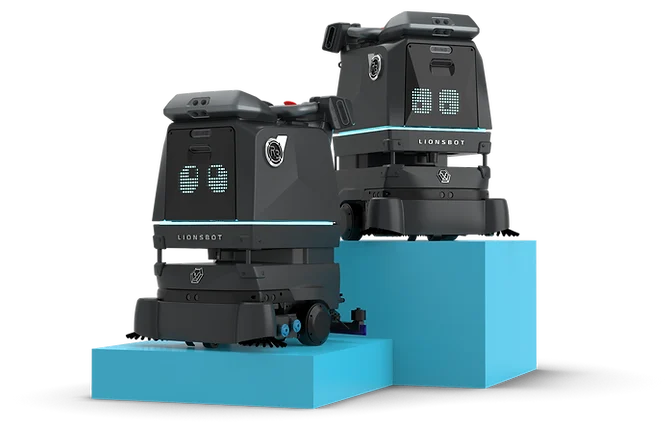
A cleaning robot should be selected against the actual floor, debris and working hours. Scrubbing, vacuuming and detailed cleaning are different jobs, and one machine should not be expected to cover them all.
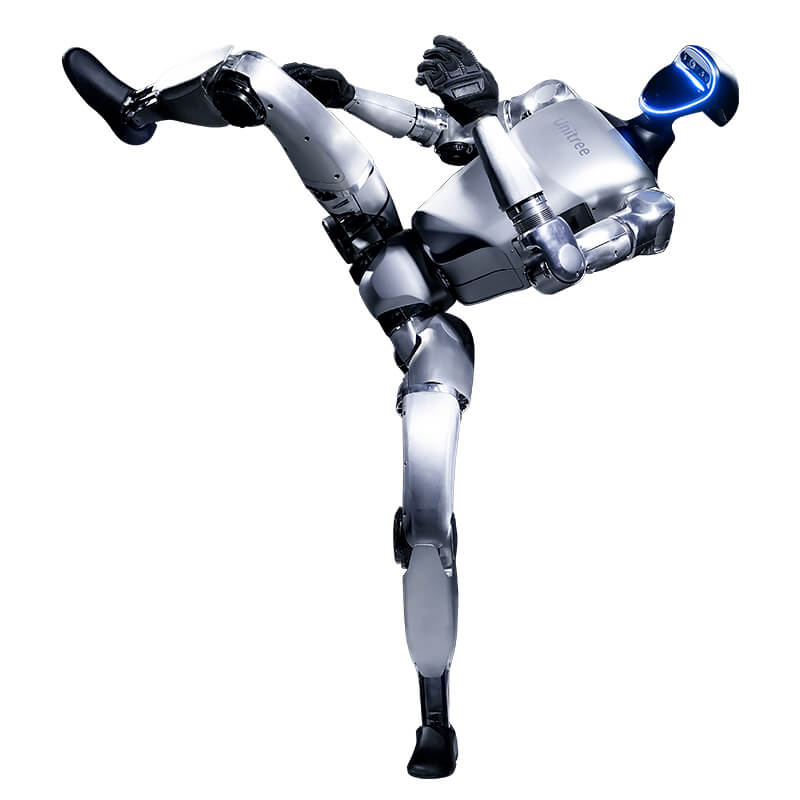
Guides are written for this journal. Deployment stories distinguish supplier-reported accounts from our practical interpretation. Catalogue images illustrate robot models; they are not photographs of the described customer deployments.
With your permission, Google Analytics and Google Ads cookies help us understand traffic sources, product interest and completed purchases. We do not send your name, email, phone number or enquiry text to Analytics. Essential shop functions work without optional cookies. Privacy policy