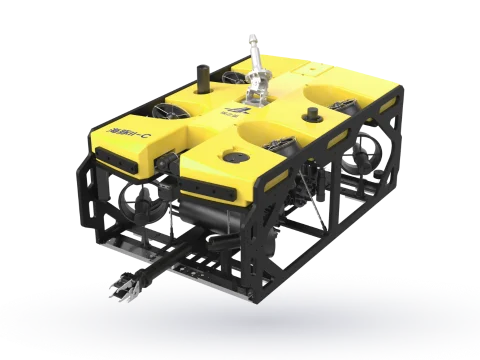
A useful underwater inspection starts with a clear deliverable: which asset must be seen, what evidence is needed and how the vehicle can be deployed. The ROV should be selected around those conditions.
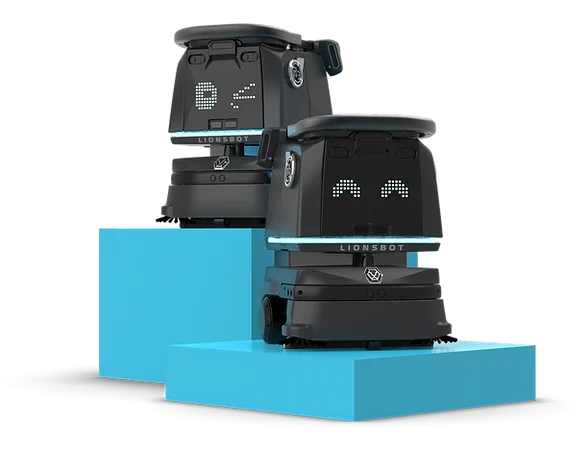
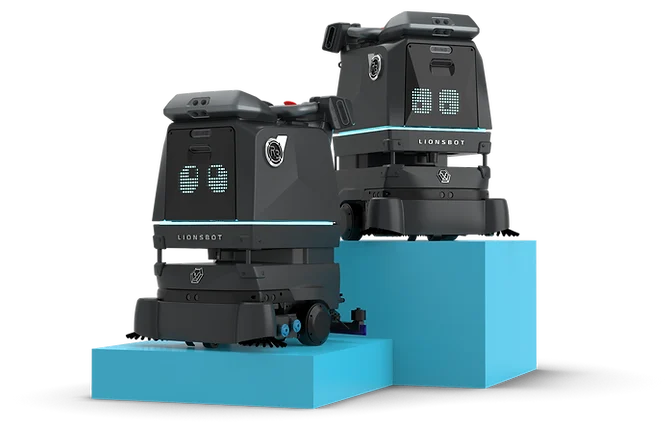
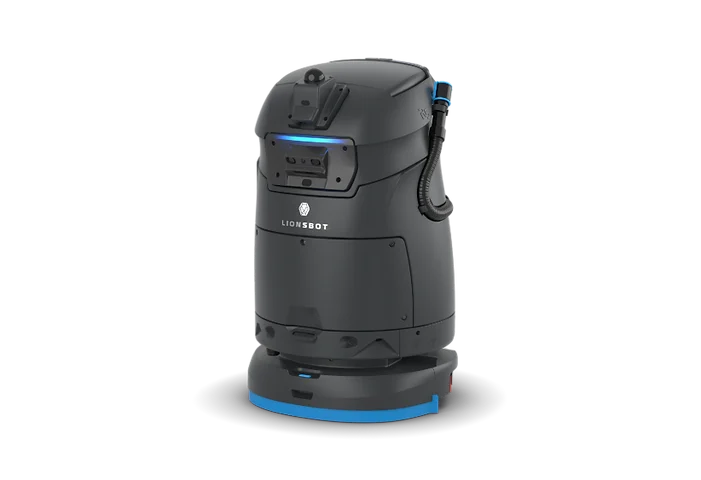
A campus is a sequence of busy and quiet periods, not simply a measured floor area. A manufacturer-published LionsBot example shows how cleaning routes can be organised around those periods.
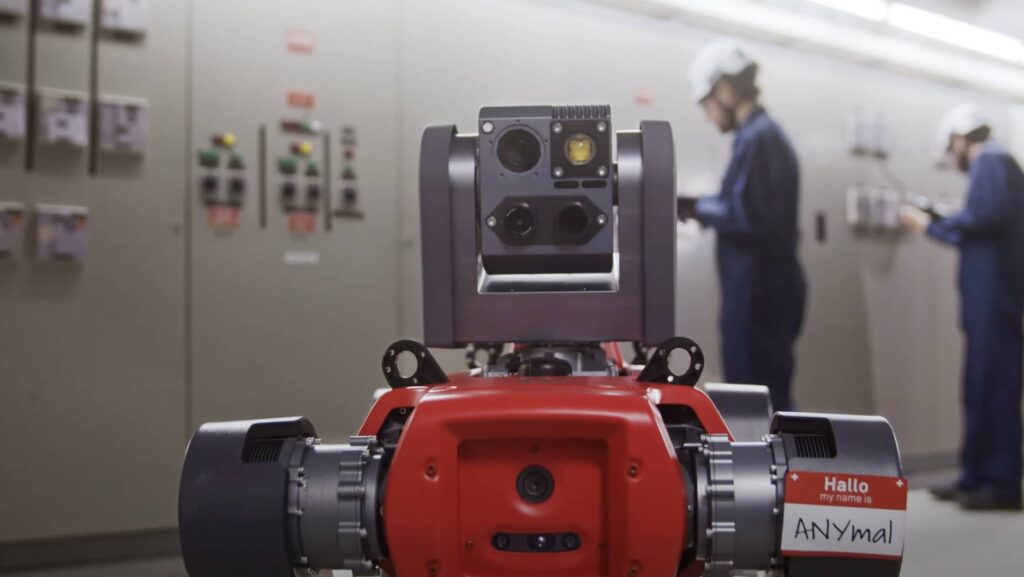
Inspection sensors answer different questions. A camera view, a thermal image and an acoustic recording should be selected for the asset condition the team needs to understand, rather than collected simply because the robot can carry them.
A demonstration is useful when it reduces uncertainty about a specific task. Ask for the conditions and outputs that matter to your site, rather than only a sequence designed to show the machine at its best.
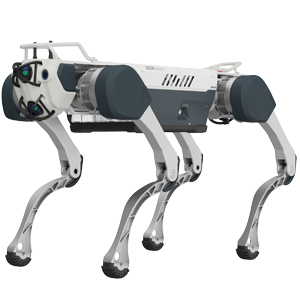
An educational robot is a good gift when the recipient has a clear way to start and an achievable path to learn more. Complexity alone does not make a platform educational; access, guidance and a workable environment matter.
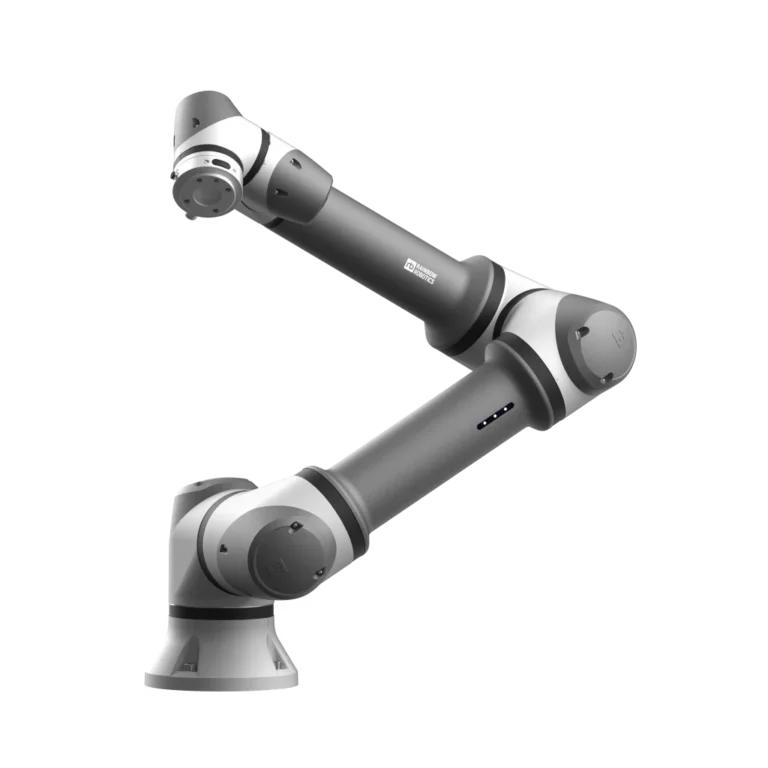
A collaborative arm provides programmable motion. The useful production task comes from the combination of arm, end effector, fixture, parts presentation and a validated control sequence.
PUDU’s convenience-retail account describes floor cleaning as part of store operations. Its main lesson is the need to fit an automatic routine into traffic, spills and food-service activity.
A runtime figure is useful only when its test conditions resemble the intended work. Payload, motion, sensing and environmental conditions influence how a robot’s energy budget fits a mission.
A good project brief makes it easier to discuss suitable equipment for a UAE site. Give the supplier a clear picture of the task and conditions instead of beginning with a preferred model alone.
Time savings should include everything the owner does before and after the automatic task. Measuring only the minutes when a robot is working can hide the handling, cleanup and troubleshooting that determine everyday convenience.
Introducing a robot changes tasks around it. Staff need to know what the machine handles, what remains manual and who is responsible when the planned process cannot continue.
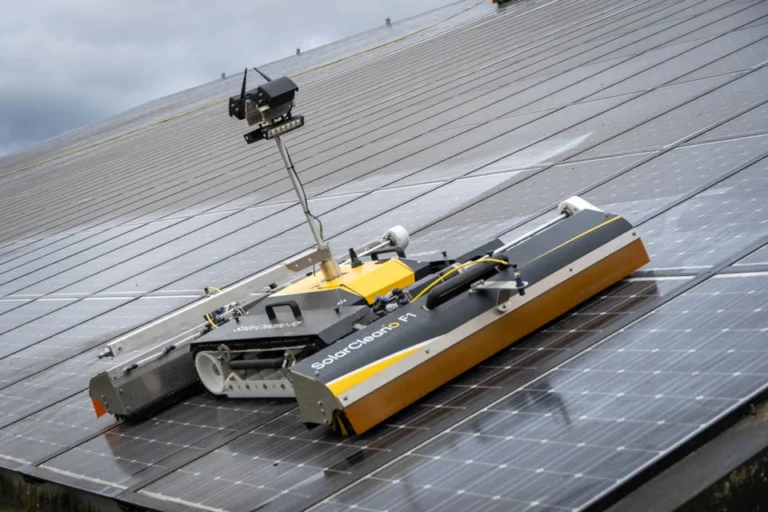
A custom solar-cleaning project shows why a catalogue comparison sometimes needs to become an engineering discussion. The dimensions and access conditions of a site can determine the architecture of the cleaning system.
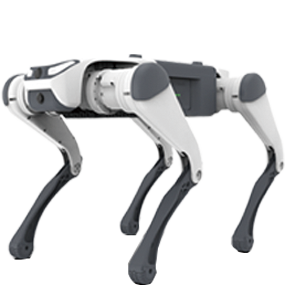
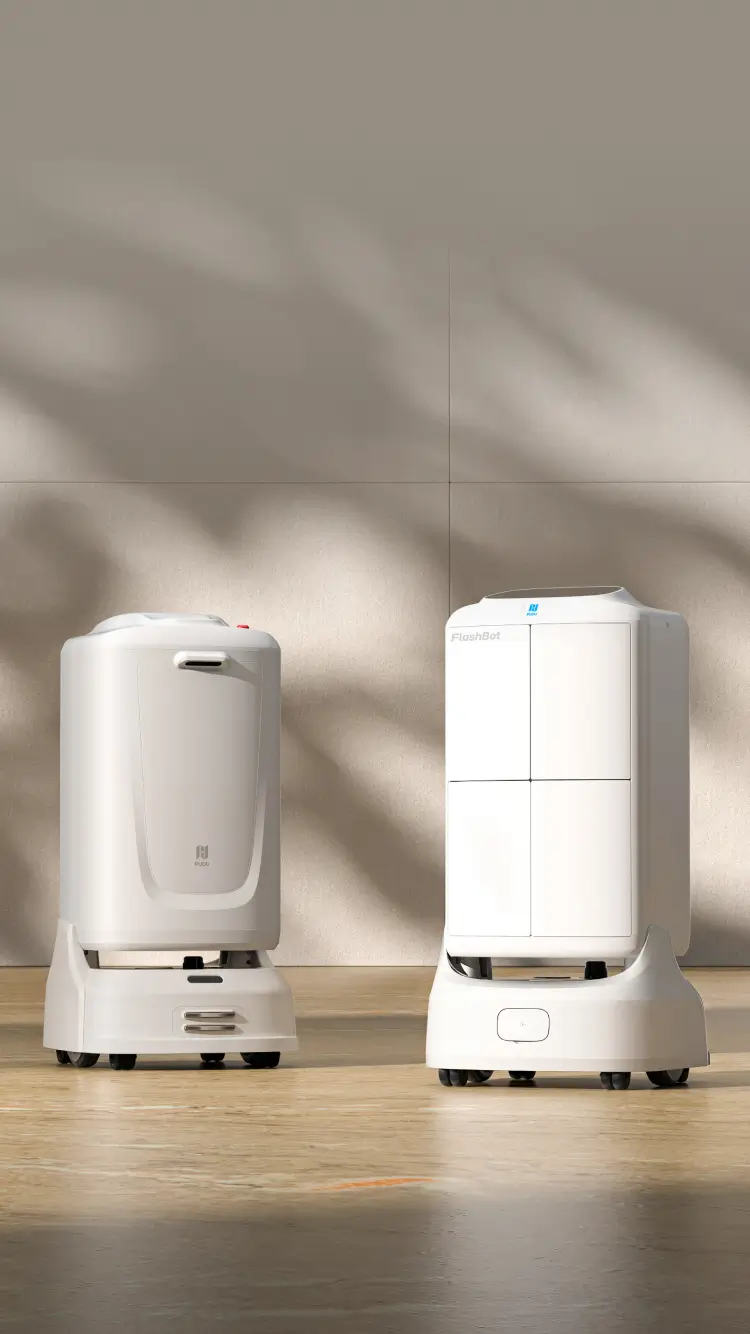
Guides are written for this journal. Deployment stories distinguish supplier-reported accounts from our practical interpretation. Catalogue images illustrate robot models; they are not photographs of the described customer deployments.
With your permission, Google Analytics and Google Ads cookies help us understand traffic sources, product interest and completed purchases. We do not send your name, email, phone number or enquiry text to Analytics. Essential shop functions work without optional cookies. Privacy policy