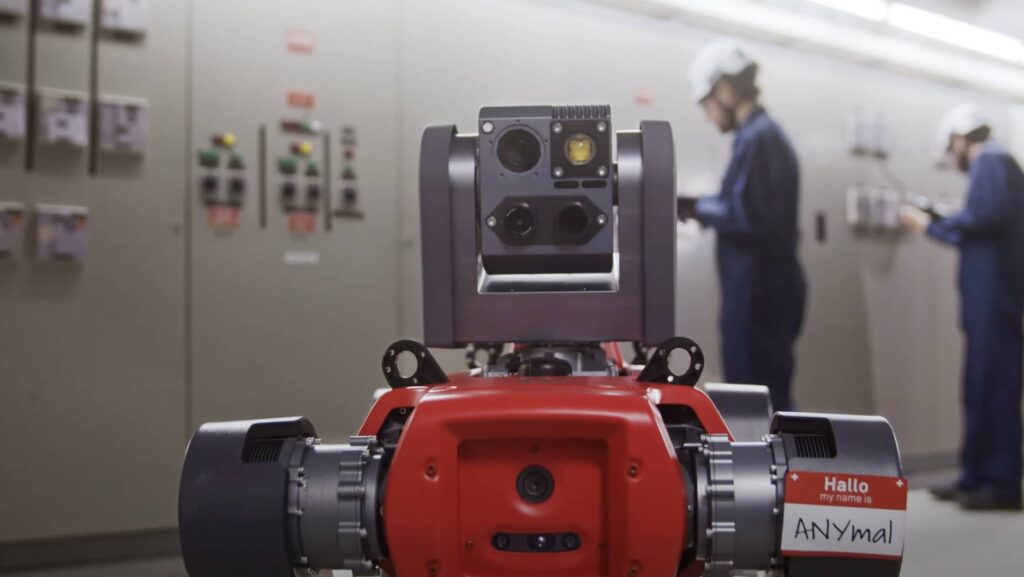
The Northern Lights CCS account is a reminder that deployment work includes mapping, software integration and operating responsibility. The robot is the visible part of a broader information and maintenance process.
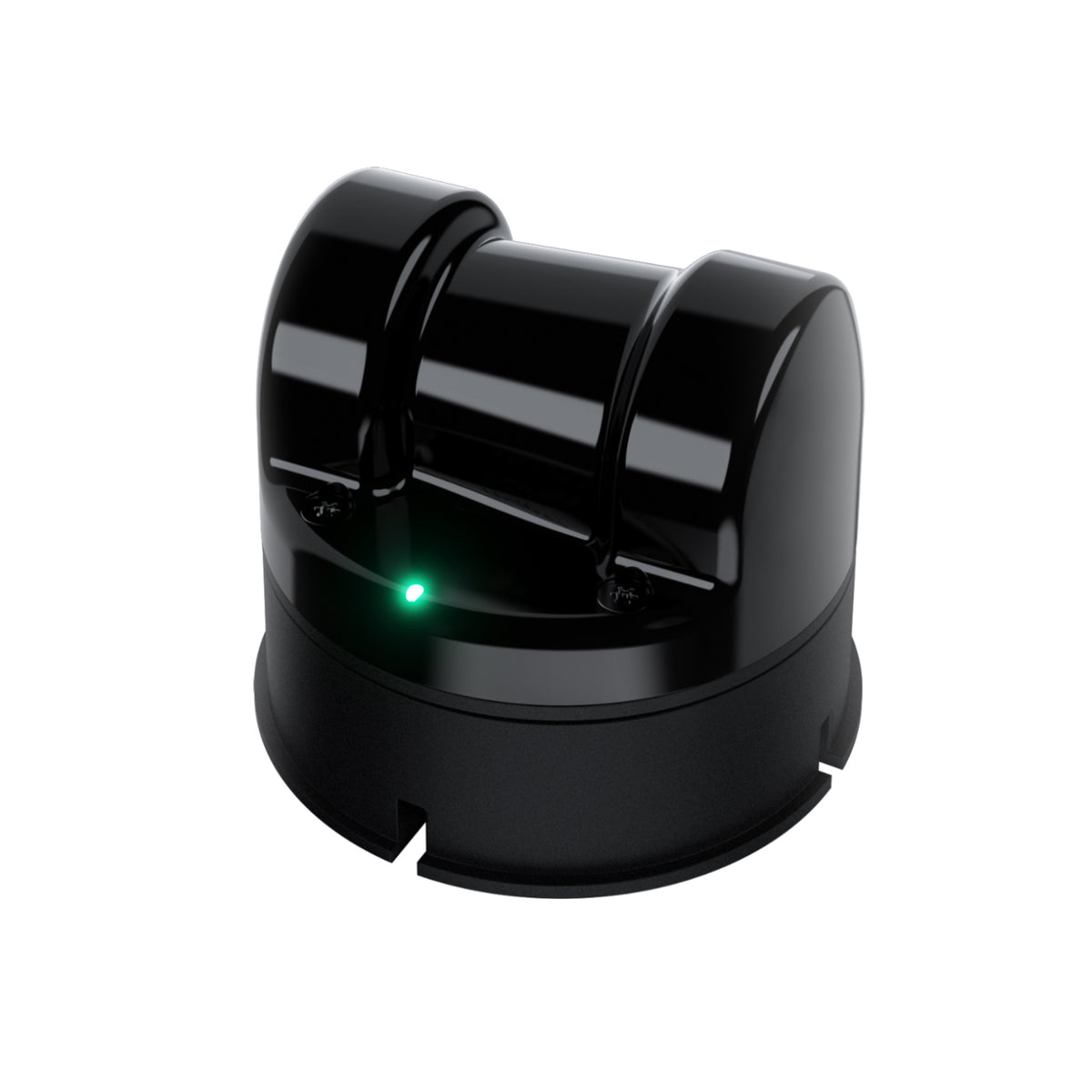
LiDAR provides spatial observations that can support a robot’s perception system. A sensor purchase is not the same as buying a complete navigation solution; mounting, software and the operating environment still determine the result.
A site survey translates a building into operating requirements. The useful survey covers normal work, temporary obstructions and the supporting resources a robot needs between missions.
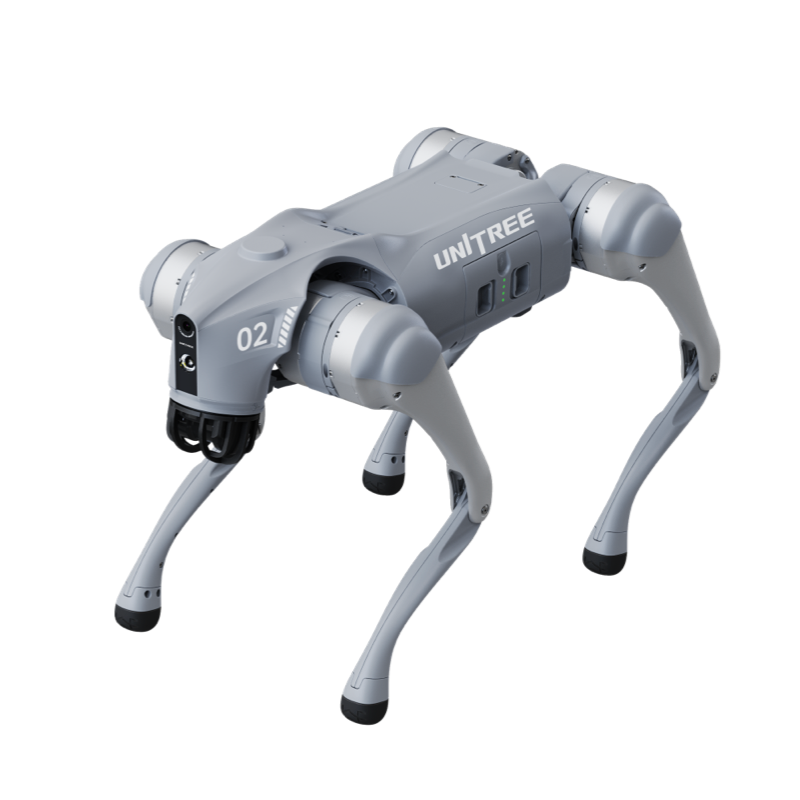
A quadruped can be an engaging way to explore robotics at home. It is important to separate a supervised technology project from the dependable household assistance people expect from a task-specific appliance.
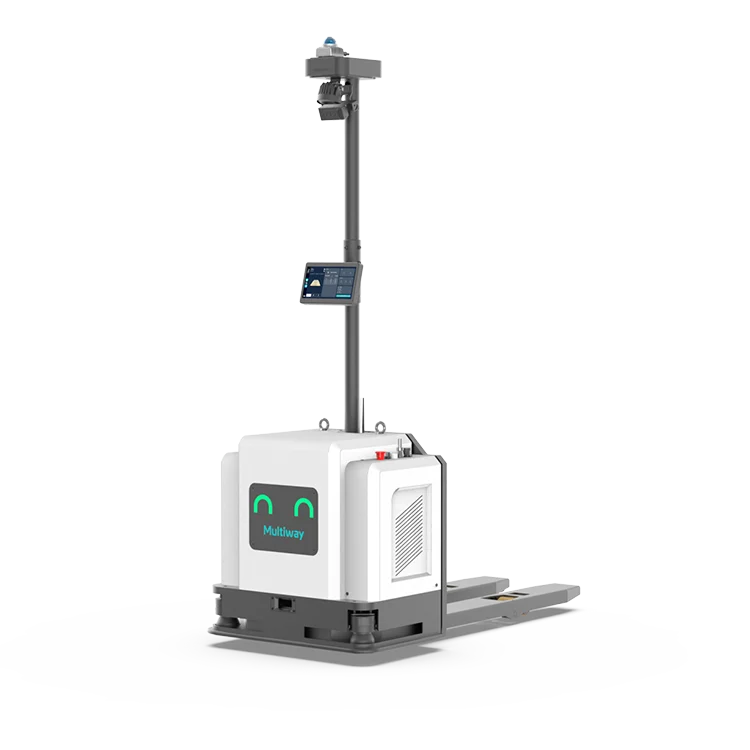
A warehouse project is easier to evaluate when it begins with one defined movement. Specify the load, pickup point, destination and handover before choosing between pallet trucks, stackers, reach trucks and other mobile platforms.
A published Grace Silica example connects robotic observations to maintenance decisions. The valuable point for a buyer is not to copy a headline return figure, but to understand how observations are reviewed and acted on.
Robotics videos can show similar-looking behaviour produced in very different ways. Understanding who makes each decision helps buyers judge what work remains after the equipment arrives.
Acceptance testing should demonstrate the agreed task using the delivered configuration. It is the moment to compare the system with the written scope, not to invent success criteria after watching it operate.
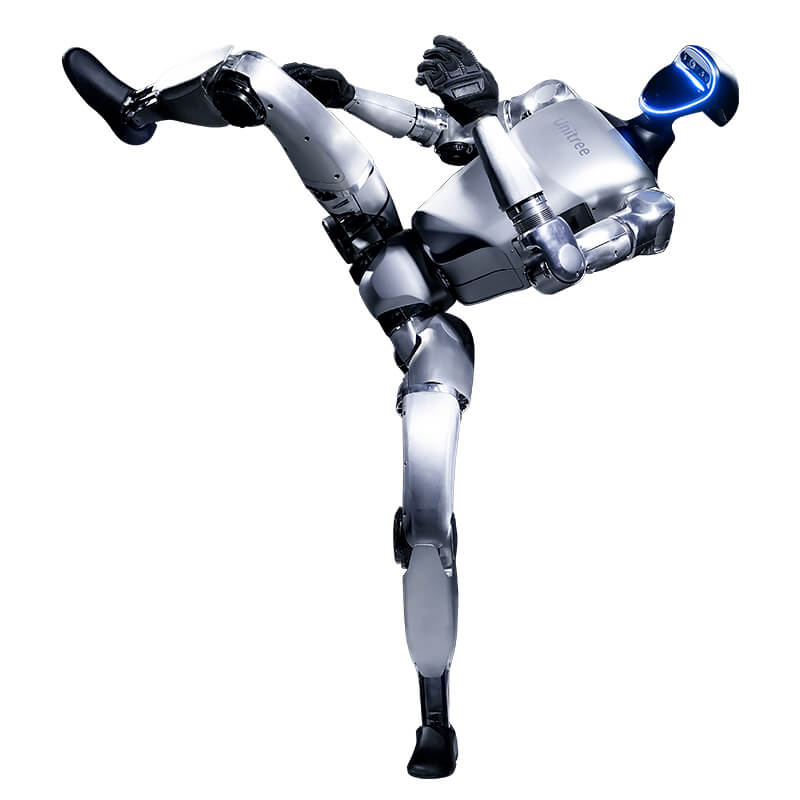
Humanoid demonstrations are compelling because the robot resembles a person using a familiar space. For a buyer, the useful question is which behaviours are supplied, repeatable and supported in the exact configuration being offered.
Warehouse robots are not interchangeable simply because they move goods. The load interface and the storage operation determine which family to assess: pulling carts, lifting pallets at floor level or reaching into racking.
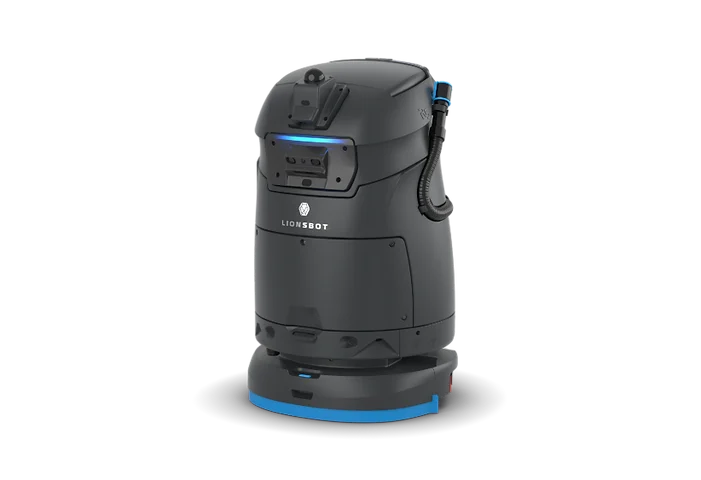
LionsBot publishes an airport deployment account that illustrates a practical division between automatic floor coverage and the work people still do. The airport is described by its profile rather than named.
Embodied AI research connects perception and decision-making with physical action. Hardware should be chosen around the experiment’s interfaces, scale and repeatability rather than the ambition to buy the most visually impressive robot.
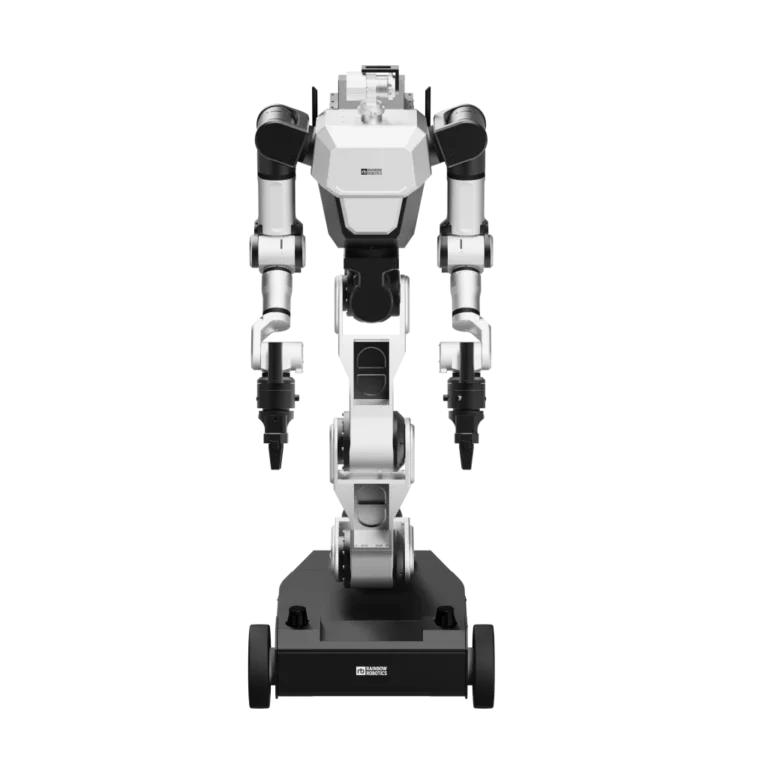
Guides are written for this journal. Deployment stories distinguish supplier-reported accounts from our practical interpretation. Catalogue images illustrate robot models; they are not photographs of the described customer deployments.
With your permission, Google Analytics and Google Ads cookies help us understand traffic sources, product interest and completed purchases. We do not send your name, email, phone number or enquiry text to Analytics. Essential shop functions work without optional cookies. Privacy policy